Medical Elective Reflection Report – Quishuar, July 2026 – Anna Arentsen

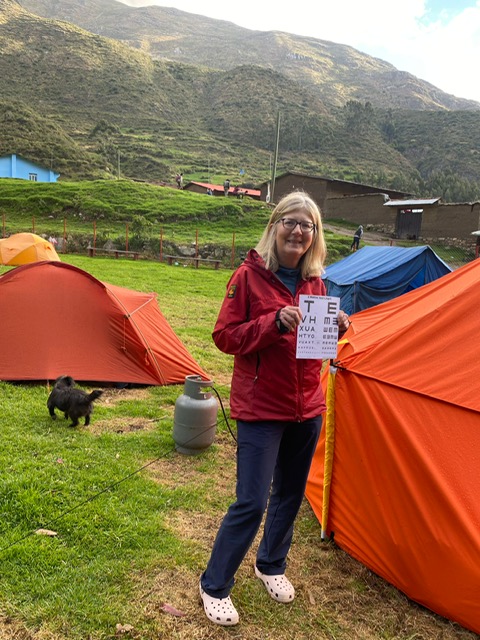
In July 2026 Annie Fitzpatrick, Seren Bergum and Anna Arentsen, medical students at Queens University Belfast, carried out their medical elective at the health post in Quisuar in Peru’s Cordillera Blanca and at Hospital Víctor Ramos Guardia in Huaraz.

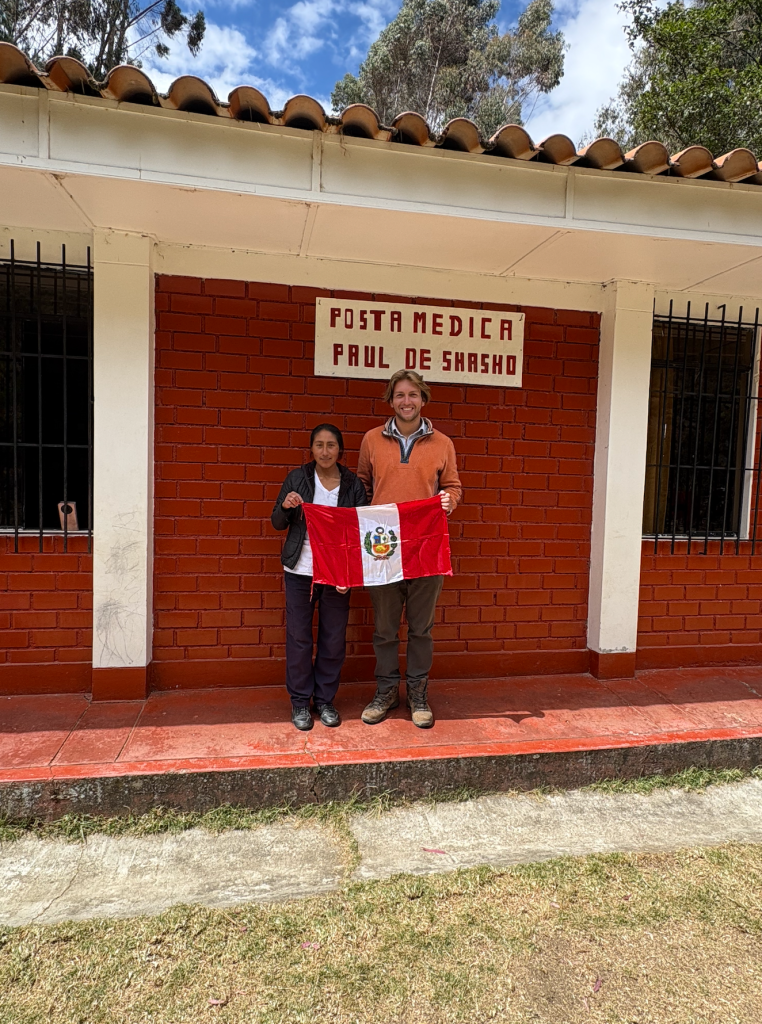
Here is Anna’s report of her medical elective experience at the Paul de Shasho medical post in Quishar.


LED Medical Elective Reflection – Anna Arentsen, July 2026

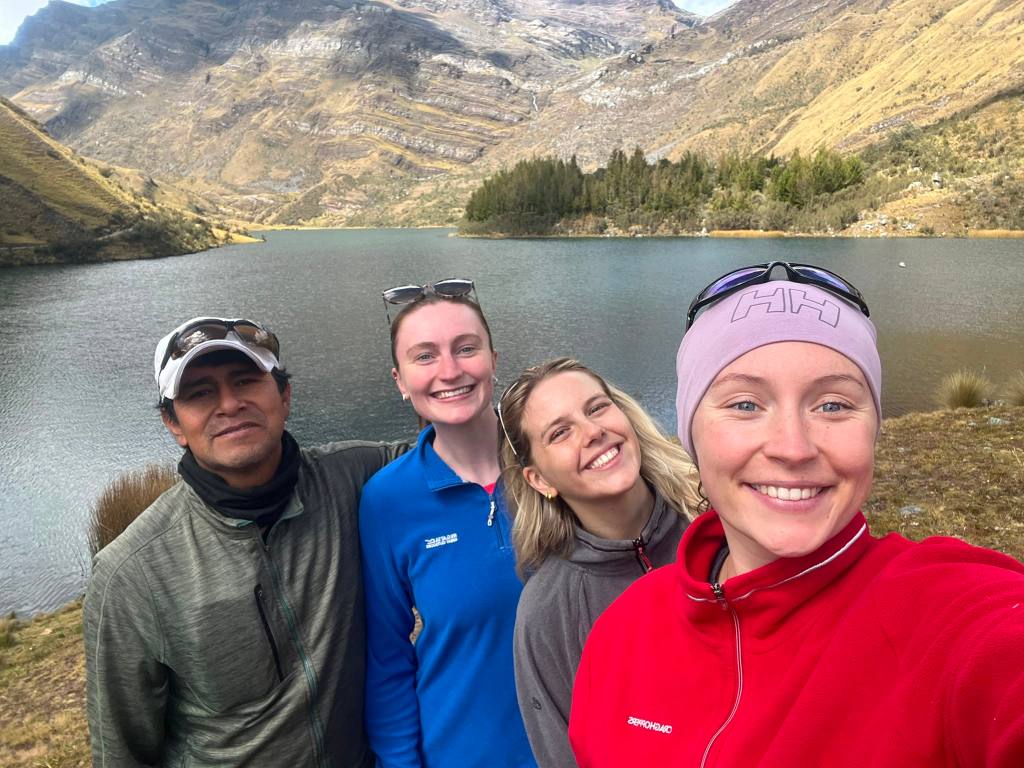
At the end of my 4th year of medical school I was granted the fortunate opportunity to complete a medical placement (elective) in a part of the world and specialty of my choice. I was lucky enough to be able to complete this opportunity with the LED charity at their Peruvian health post, Paul de Shasho medical post. An adventurous, fun-filled and cultural experience. The team here consisted of local nurse Noemi, who spends all year in this community tending to problems, our guide and translator Juan, myself and two of my friends from medical school. The three of us had read about LED charity online and were very keen to be able to take part in a placement with the charity during the summer of 2026, after getting in contact with Val this became a reality!

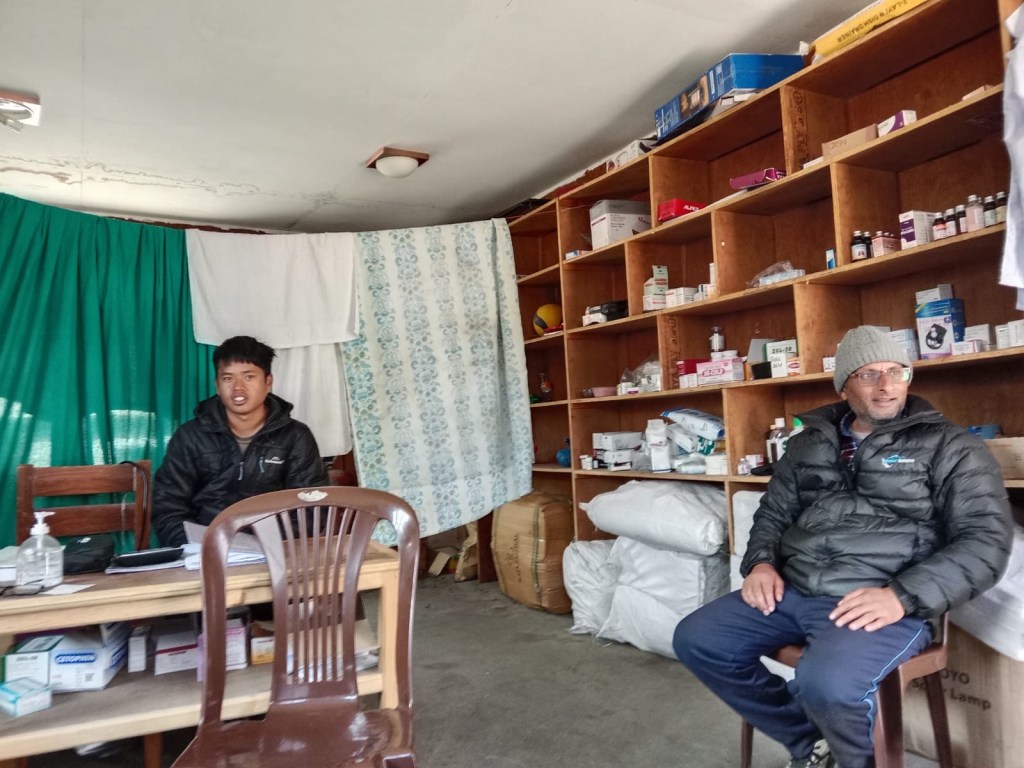
The post here works to support the local community of Quishar with some of their medical needs. The post is stocked with medications donated by volunteers or supporters of the charity, consisting of things like certain antibiotics, pain relief, bandages and prescription glasses. Alongside being an area where medical aid can be received, the post also has a great involvement with the local school in Quishar, with most medical volunteers taking part in English lessons on weekday afternoons (and the occasional football game!). The native language of the local people is Quechua, though Spanish is becoming increasingly prevalent amongst the younger people of the community, who regularly spoke Spanish to one another and were taught in Spanish in the local school. The children were bright and talented individuals who were able to pick up phrases and words in English at impressive speed. The local children will always be a highlight of this incredible trip.

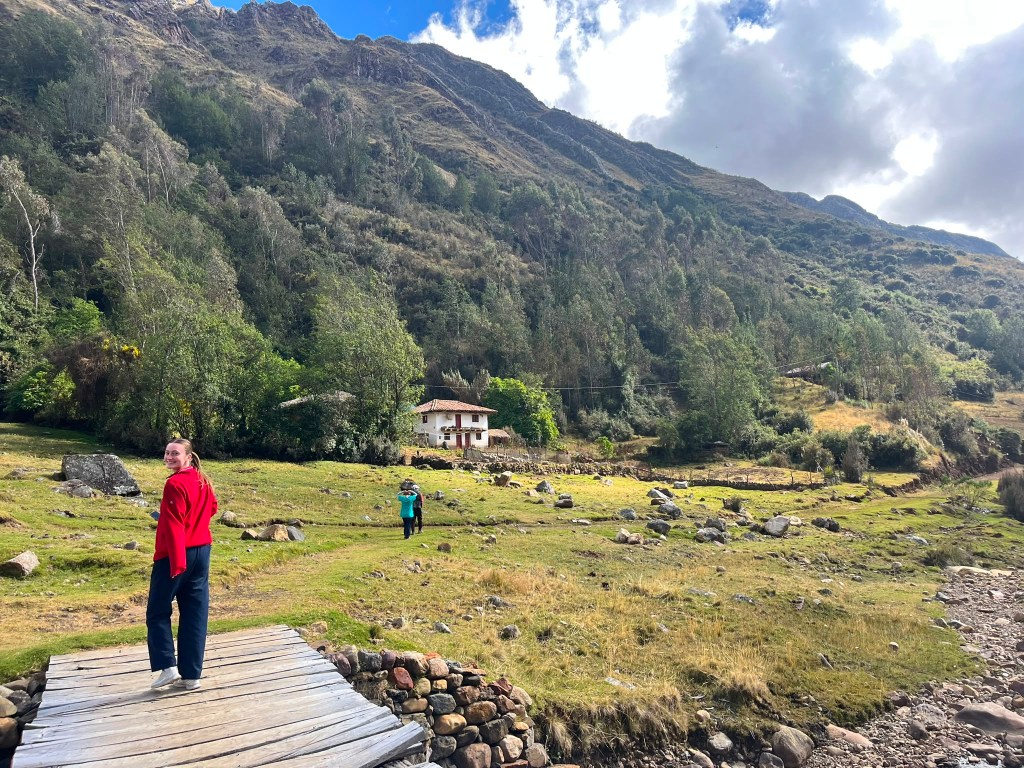
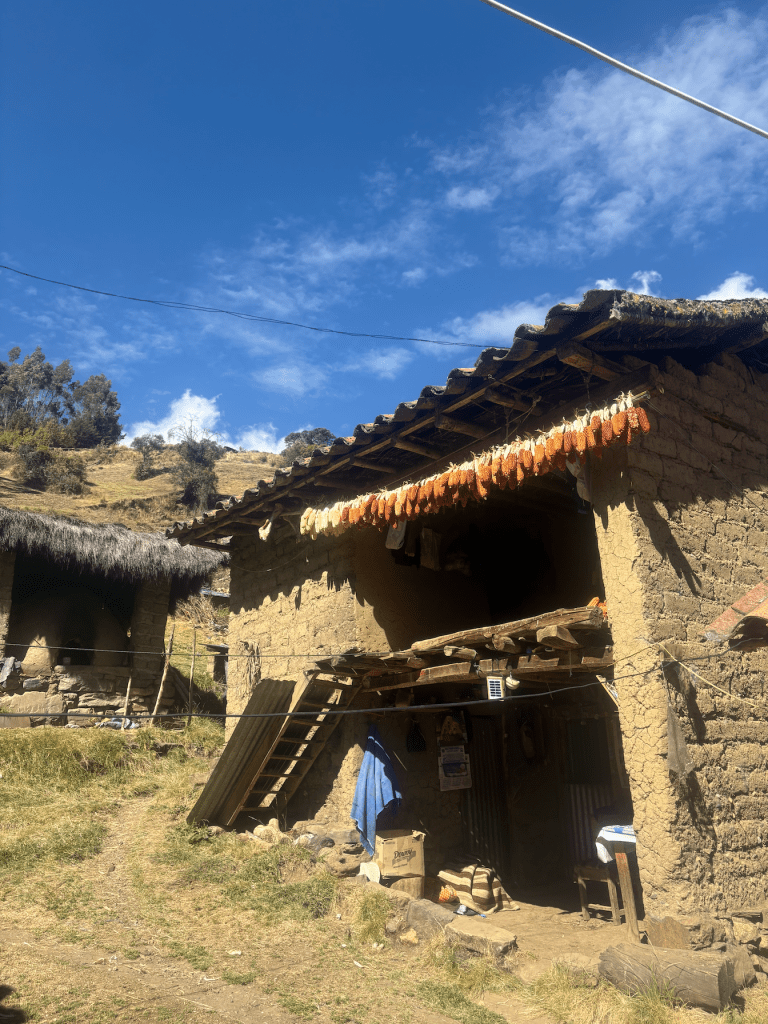
Quishar itself is a remote village situated at an elevation of roughly 3800m in the Andes mountain range, located on the border of the Huascarán national park it is an 8 hour journey from the nearest city of Huaraz to the market town of Pomabamba and a further 2 hour drive on from Pomabamba to Quishar. Quishar’s seclusion only adds to the beauty and exceptional nature of the place, however, it means that its people are heavily reliant on health posts such as the Paul de Shasho post for things like medications, glasses and advice of when to embark on the lengthy journey to the nearest hospital, located in the city of Huaraz. The agriculturally orientated jobs of the local people make journeys like this a rarity and are reserved for emergencies only.

Due to the nature of many people’s jobs in the mountainous environment, problems such as osteoarthritis and cataracts are common as a result of long days spent tending to land under the harsh Andean sun, a lifelong and physically intense day to day. Certain gastrointestinal problems like gastritis, GORD are also commonly seen here. Providing patients with prescription glasses and sunglasses is a clinical experience I will never forget, witnessing first-hand the difference that these can make to the patients’ lives was truly moving, with jobs that rely so heavily on being able to see properly and with patients living for so long without this privilege, it makes an enormous change to the lives of the local people and is something I will always remember and take with me into future practice. We attended some of the local people’s homes during home visits for ailments such as particularly painful arthritis, we were always met with a warm, welcoming environment by patients which only added to the village and its remarkable surroundings.

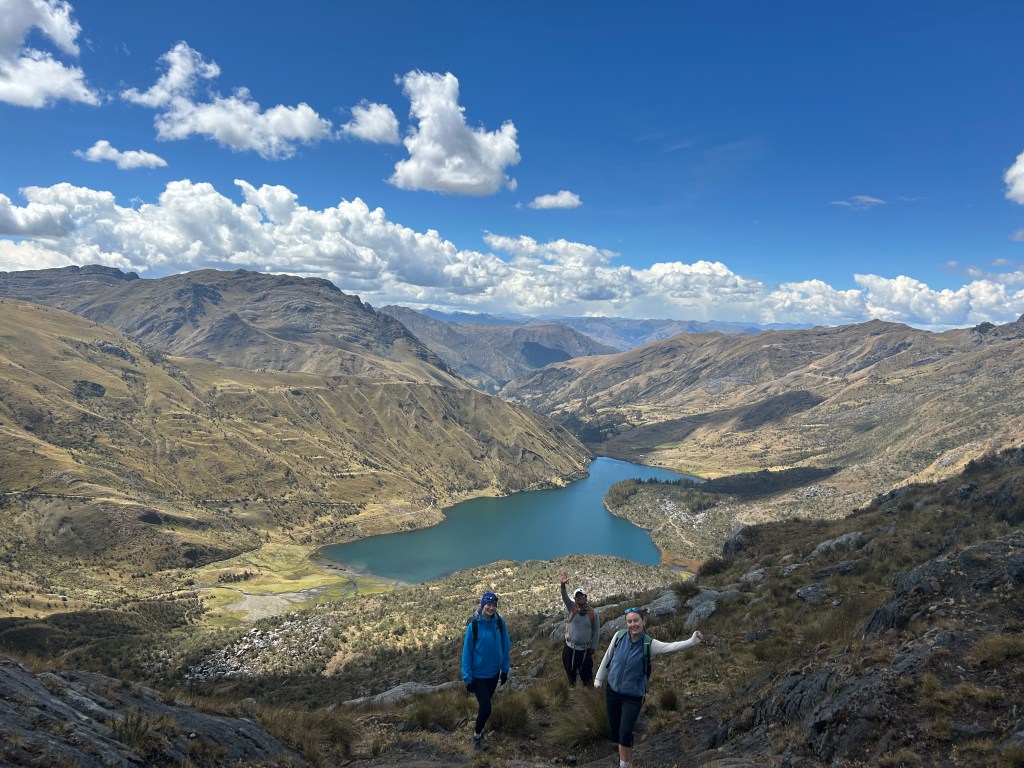
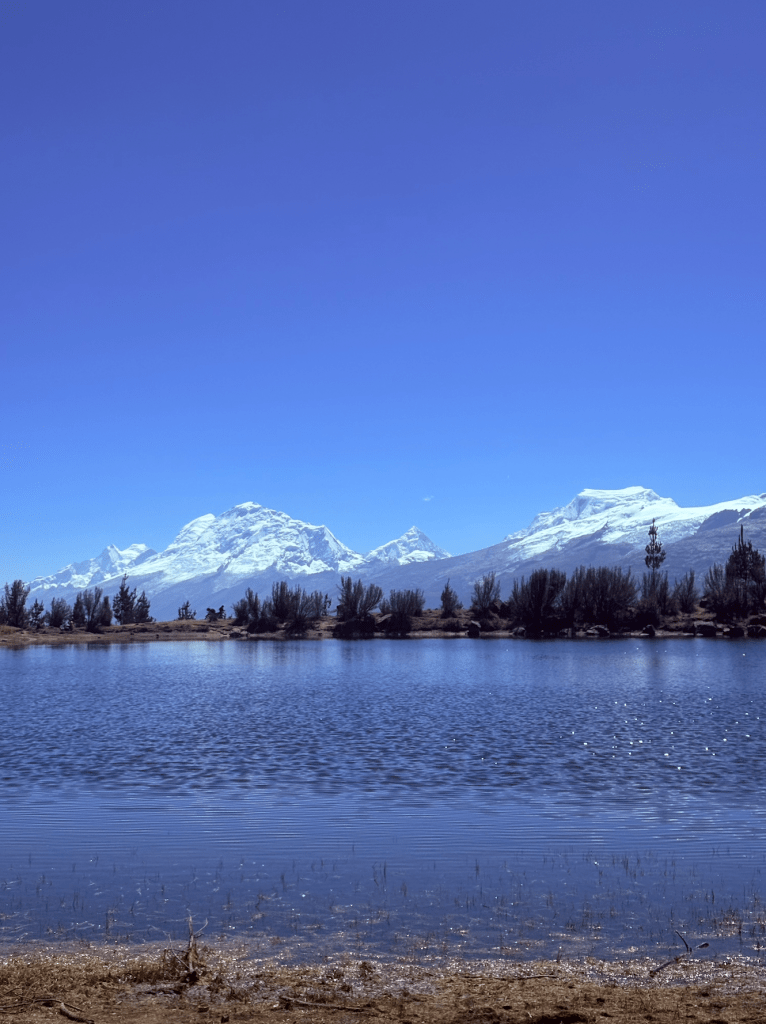
The area is one of the most beautiful I have ever had the privilege of seeing. A local village with vast fields used to farm crops or keep animals, such as pigs, chickens, sheep, donkeys and guinea pigs of course! The village is nestled at the foothills of breathtaking, snow capped mountains with pristine lakes and, if you’re lucky enough to see them, condors! We were fortunate enough to be with the brilliant Juan who took us on different hikes along various trails and explained the geography of the area and about the different people of the village in great detail. We were able to swim in the icy lake at the top of the valley before having a picnic with Juan which was an exciting day. Juan sees Quishar as a second home after many years of summers spent there, helping
medical students like the three of us. He was invaluable as a translator working between Quechua, Spanish and English during patient consultations, we were so grateful for his amazing help and talents. He also gave us Spanish lessons in the evenings, after starting as near beginners we were able to form basic conversation by the end of our trip!

Quishar is an astonishing place and somewhere I hope to return to in years to come. The three of us are so grateful to Val, Juan, Noemi and the whole team at LED for this special experience that we will never forget.
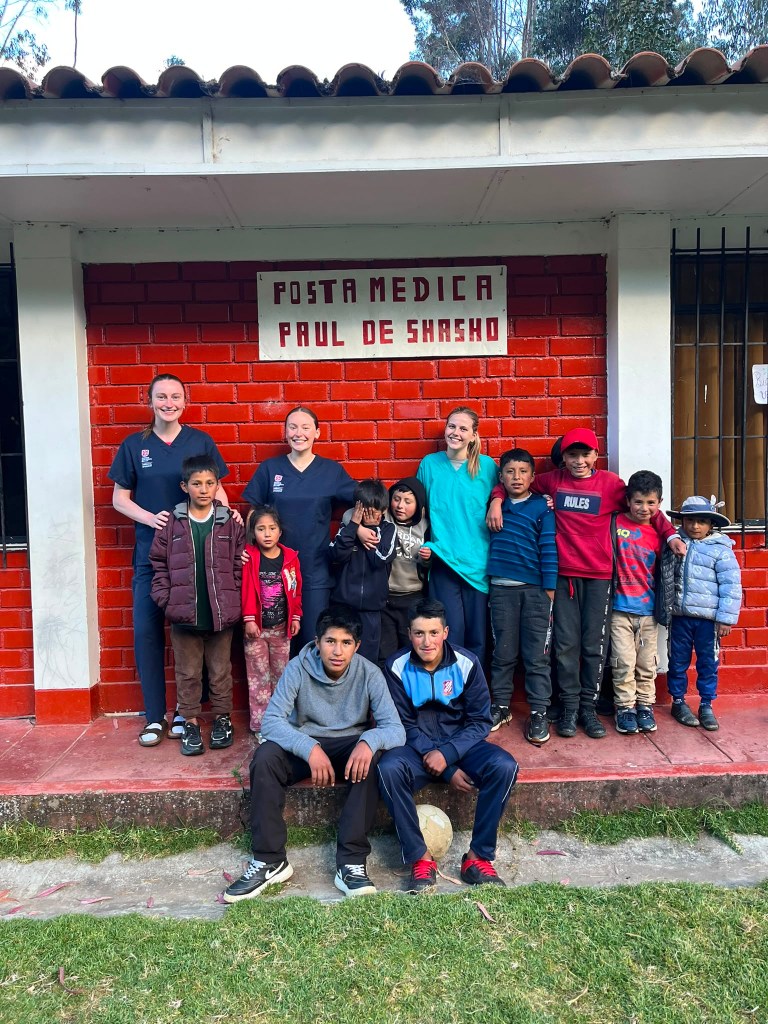
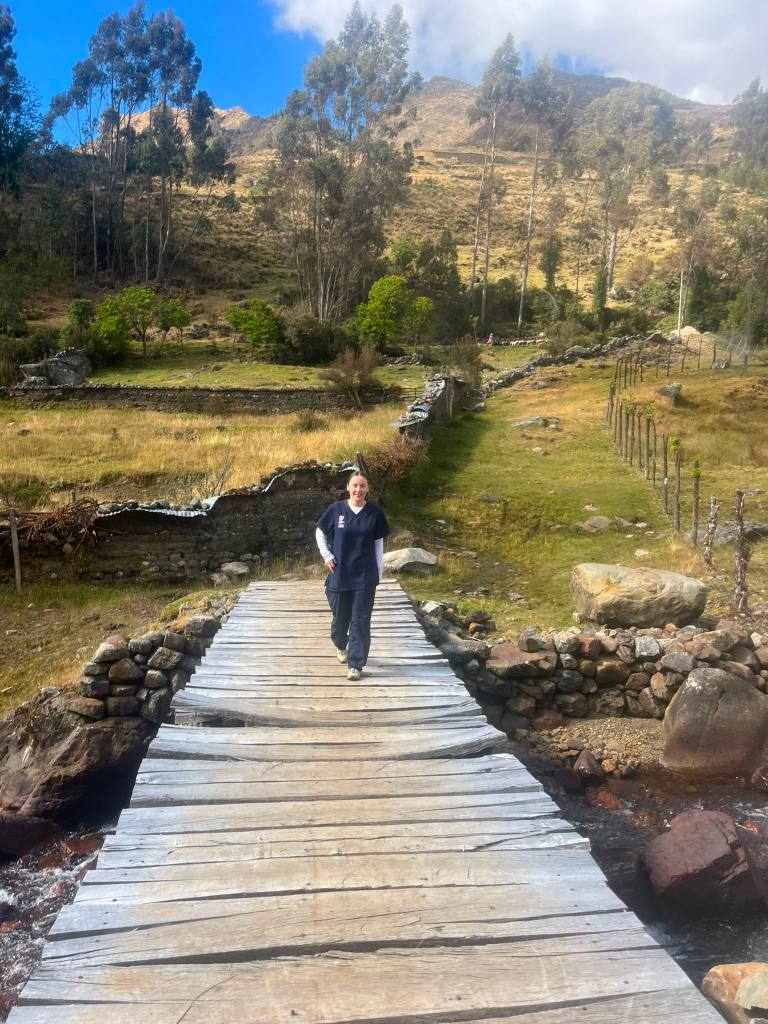
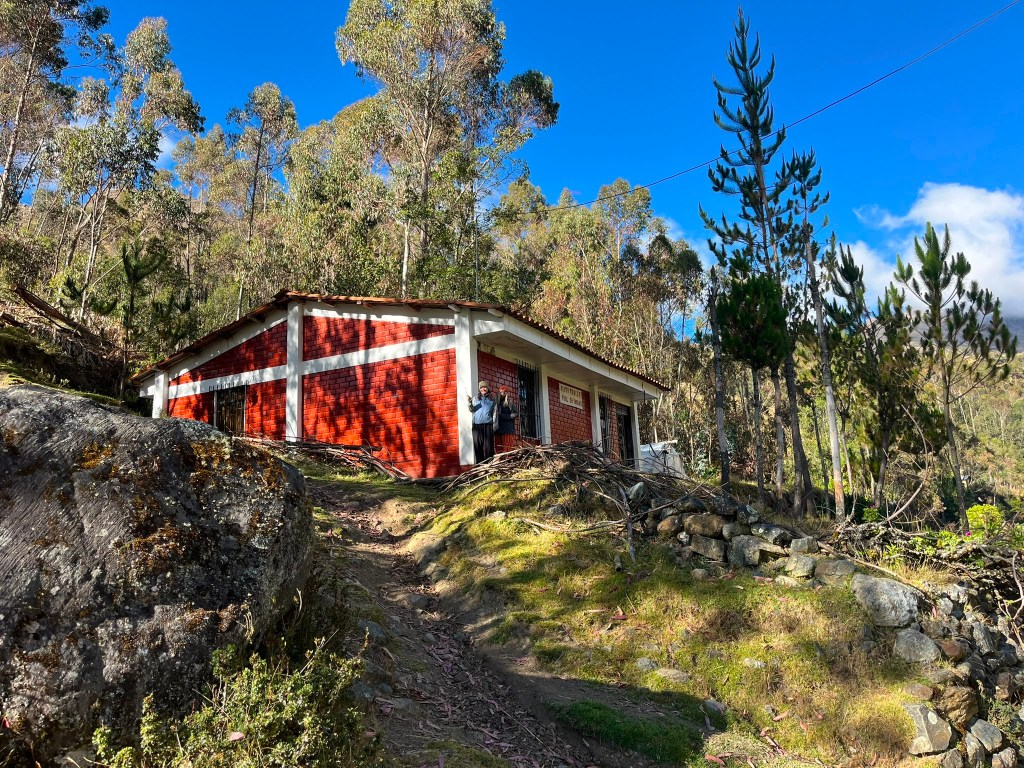
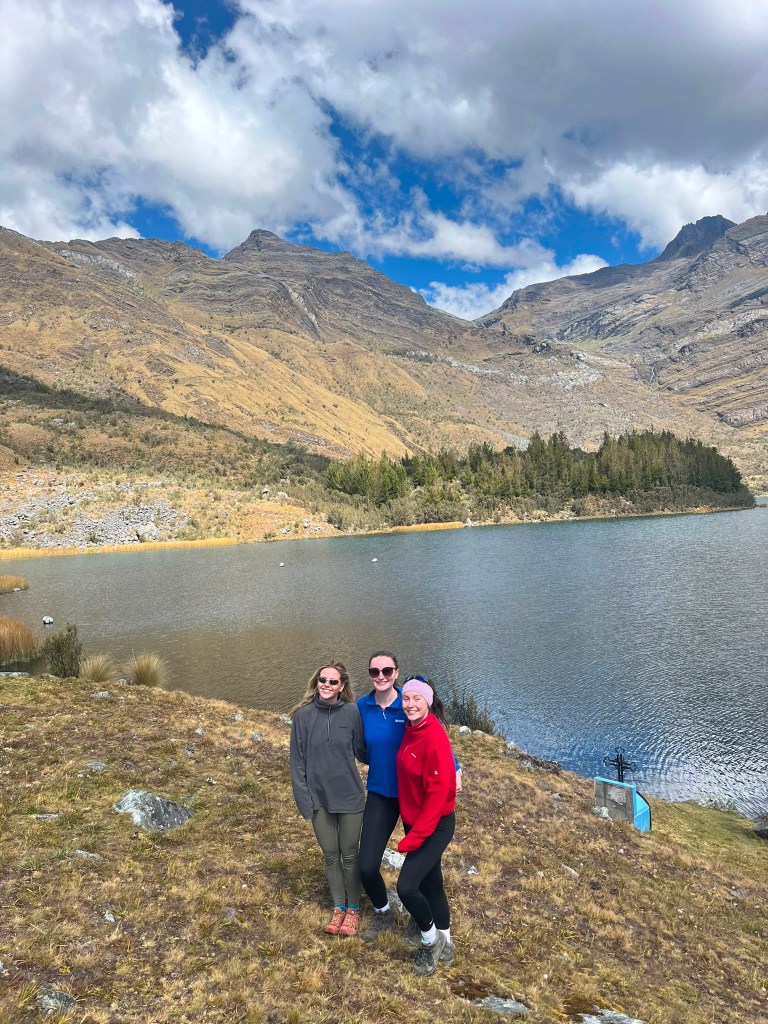
Thank you Anna, Annie and Seren all for all your hard work in Quisuar and the surrounding villages, and at the Hospital Víctor Ramos Guardia in Huaraz. We wish you all the best with your medical career.
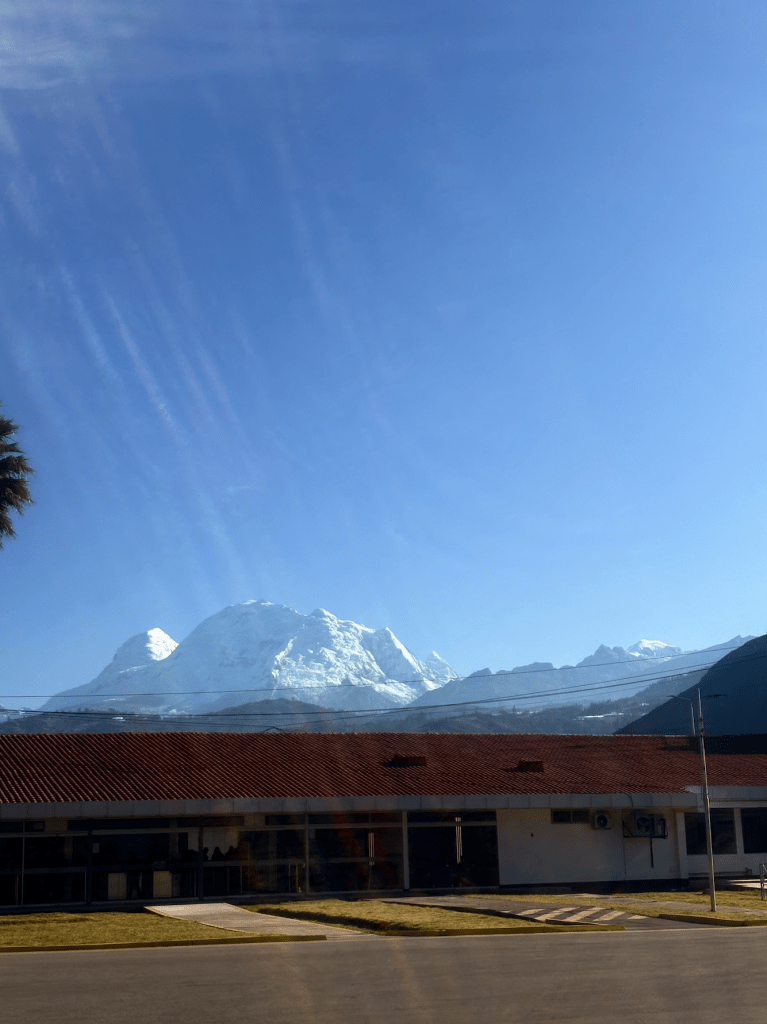
Medical elective report – Quishuar, July 2025 –Daniel Lloyd-Davies

In July 2025 Cambridge University medical student Dan Lloyd-Davies carried out his medical elective at the health post in Quisuar in Peru’s Cordillera Blanca. Here is Dan’s report of his medical elective experience.


Medical elective report – Quishuar, Ancash, Peru. July 2025

Daniel Lloyd-Davies

At the end of my penultimate year of medical school I was fortunate to organise an elective placement with the help of the LED charity in the village of Quishuar, in Ancash, Peru. I had heard about this small place near the city of Huaraz, by word of mouth from friends who had completed medical electives there in the past and had great experiences.

The Paul De Shasho medical outpost was built and continues to be funded by the LED charity following a previously unmet need and request by the villagers for a medical post. A two hour mountainous drive from the nearest town (and a further nine from Huaraz!), access to healthcare and health education is otherwise difficult for the community who need to spend long days tending their crops and livestock in the mountainous locality.

The journey there was remarkable in of itself. Once I arrived in Huaraz, it was necessary to stay there for a few days and go on some hikes to help acclimatise to the altitude. Huaraz is at 3000m and Quishuar even higher; but this gave the opportunity to take in some of the phenomenal scenery of the Cordilleras Blancas mountains before the further journey. The onwards journey to Quishuar was also one of the most scenic of my life, traversing winding mountain trails and valleys. 

The health post is located in the centre of Quishar on land donated by one of the villagers. One permanent nurse, Noemi, works at the health post throughout the year attending to the health of the village residents and also the residents of nearby villages who may walk a long way in order to attend. The primary language of these communities is Quechua, an indigenous language of Peru, but particularly younger people were also fluent in Spanish. I was able to get by with my level of Spanish, but also had the fantastic kind help of Noemi and Juan who helped with translating Quechua and also the more difficult Spanish terms. 

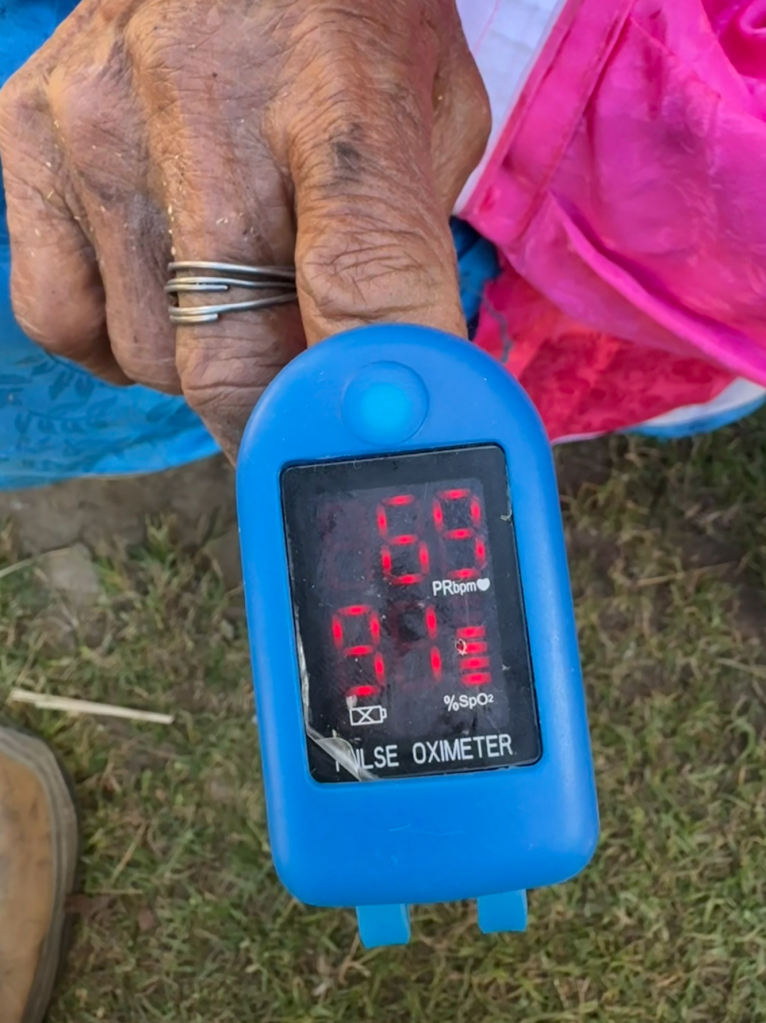
Funded charitably, the clinic had a consultation room and a modest stock of basic medicines and equipment. Access to medical investigation equipment was limited mostly to pulse oximetry and blood glucose monitoring. For scans, blood tests, or other further investigations patients would have had to travel a long journey to the nearest town or city. This really encouraged me to rely and trust much more on my clinical history taking and examination skills, which was really valuable personal development for me and my medical training. Some of the more common presentations I saw included H.pylori peptic ulcers, gastro-oesophageal reflux, osteoarthritis, and prostate hypertrophy. Furthermore, a lot of patients came with age- or sun- related visual changes and we were able to give them glasses or sunglasses as required and educate with regards to sun safety and eye health.

In such a special location, there was plenty to do in my spare time. Late each afternoon I would give English lessons for some of the local children at the end of their school day. They were already much better linguists than myself, fluent in both Quechua and Spanish, but seeing them progress their English across the course of my lessons was also really rewarding.

One weekend we walked two hours to a neighbouring village to watch a football tournament between some of the villages of the region. Luckily, Quishuar won their match that day and everyone celebrated with pitchside food and drinks in the sun.

The location also lent itself to a lot of amazing days spent hiking. The altitude made this tougher than hiking back home, but I enjoyed the challenge and it was all worth it for some of the stunning views and trails I got to see. One particular highlight was an early morning hike up one of the corners of the valley to a nesting area for condors, and we were rewarded by being able to see some of these huge birds up close and taking flight. 

I would like to thank the LED charity for facilitating this invaluable experience which will stay with me for a long time. Thanks to Val, Juan, Noemi, Melky, and Lola for their support and warmth across my time in Peru.


Thank you Dan all for all your hard work in Quisuar and the surrounding villages. It sounds like you had a really great time! We wish you all the best with your medical career.
LED Project Round Up, Spring & Summer 2025

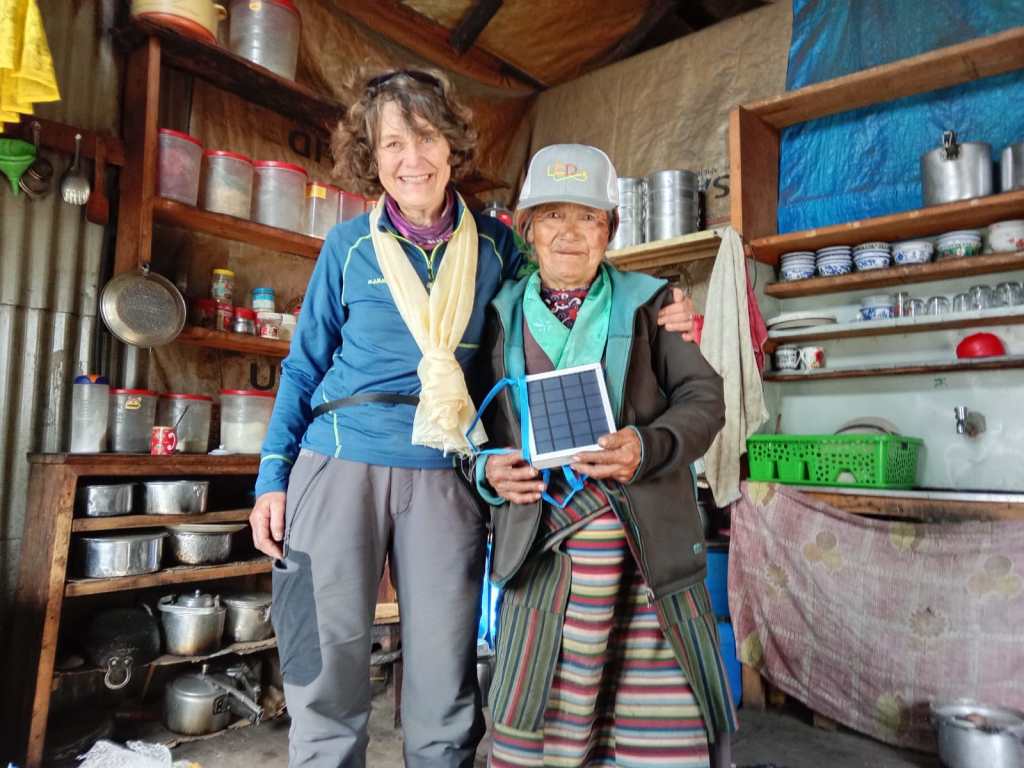
Val was back in Nepal from late March to early May, spending time in the Khumbu and Manaslu-Tsum areas which provided the opportunity to review LED projects, to deliver solar lights, medical supplies and school supplies, and to hold eye clinics.

In June, Val heads out to Peru for the summer and will be carrying out LED work in Quishuar and the surrounding valley communities, and meeting the medical students undertaking their medical electives at the health post in Quishuar and Huaraz Hospital.

Nepal

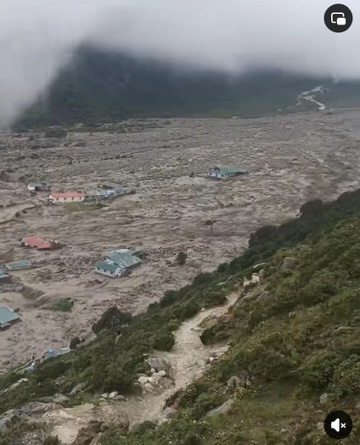
In Khumbu, Val had the opportunity to visit Thame to see the impact of last August’s Glacial Lake Outburst Floods and the work the community is doing to recover from the disaster.

Thame Flood Relief: Val attended a Thame flood relief meeting with the villagers to discuss their ideas, deciding the main focus would be a water culvert diversion programme to protect the remaining village homes and lodges, some repaired and others rebuilt after the flood last August. LED is helping to fund the construction costs.

Thame School: The school building was destroyed by the flooding. The community has decided to repair and reinforce the former community centre between Thame and Thame Teng, which was previously damaged by earthquakes, so that it can be used as the community school. LED is helping to fund the rebuild through the Himalayan Trust.

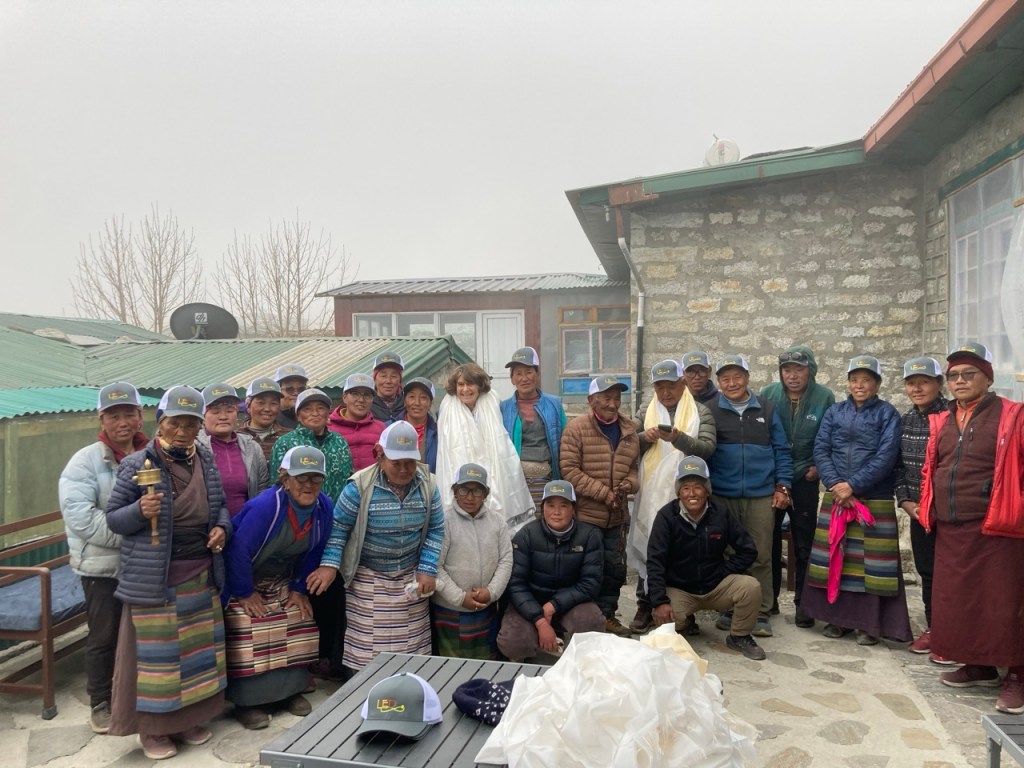
Val also delivered LED caps to the schoolkids. The caps were Pat Booth’s suggestion to protect eyes from UV. Thank you to Mingmi and Ang Rita for organising the caps.

Thame Health Post: Val met with the community health worker about rebuilding the health post in Thame, the original having been destroyed by the floods. The likely location will be above Thame. In the meantime the health worker is working out of the community building between Thame and Thame Teng.

In Lukla Val had a meeting with Pasang Dawa, chairman of Himalayan Trust, about the health post and other Thame flood Relief projects.

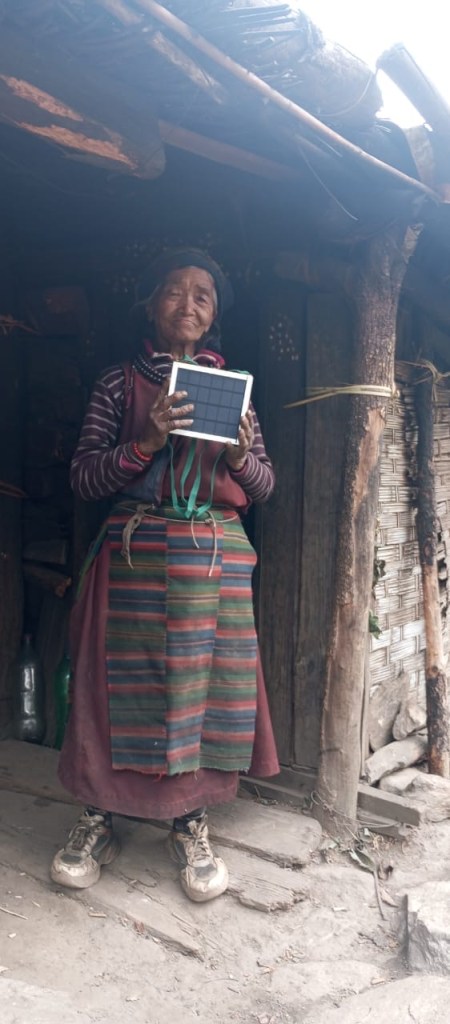
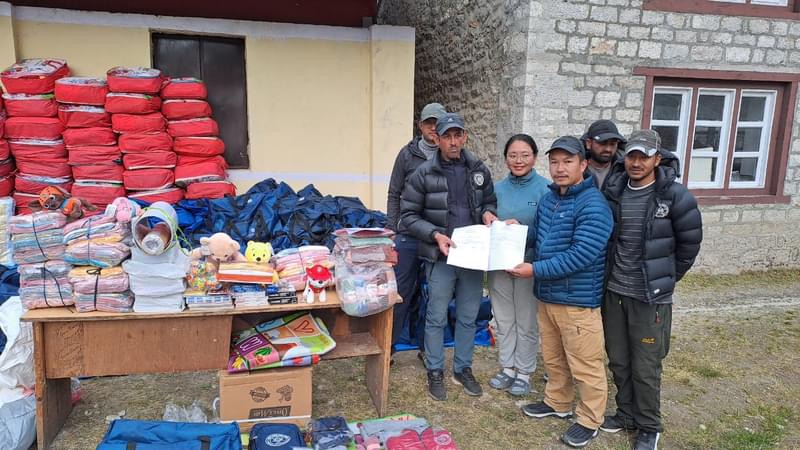
Solar Lights: Val delivered solar lights to folks who needed replacements following the floods.

Next stop Tsum and Manaslu with the Wonky Wombats from Australia who were trekking with Val and delivering solar lights, medical supplies and school supplies.

Eye Clinics: Eye clinics were held in Nile and Chumling in Tsum and Prok in Manaslu. In Bihi, Val and the Wonky Wombats delivered glasses donated by Pat Booth and the Wonky Wombats to Dr Ruit the famous cataract eye surgeon from Tilganga Institute of Ophthalmology who was holding a cataract eye surgery in the area. His team were also teaching local health workers how to test for eye glasses and LED was able to provide eye glasses to his team running the Nubri clinic out of Bihi.

Val was also able to provide sunglasses / eye protection for a team of road workers encountered en route.

Solar Lights: Val and team delivered solar lights and carried out repairs.

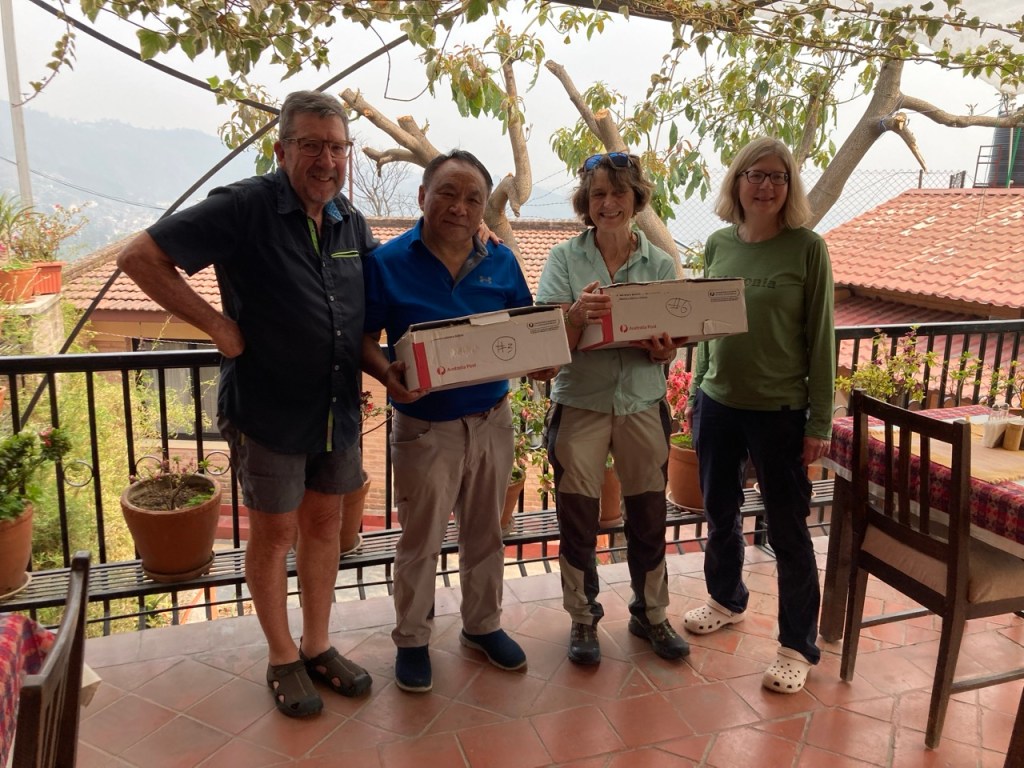
Val met with Ang Rita of The Partners of Nepal about the projects LED supports: One Day One Tree and Bung old people’s home. Val and the WWs handed over 2 boxes of medical supplies plus a box of eye glasses and instructions to go to Bung old people’s home.

Big thanks to the Wonky Wombats for all their generous donations, and to pharmacist Chris for the 6 full kit bags of medical supplies.

A big thank you to Mingmi, Tenzi and Daley for all their help on the trips.

Thank you to Dr Kami and Dadoma for all their incredible work and support Thame side.

Peru

Welcome to Cambridge uni medics Franco Magjuni and Riyaad Ali, who’ve just arrived in Lima and will be spending a month in Huaraz and Quishuar at the hospital and health post respectively completing their medical elective.

In July fellow Cambridge uni medic Dan Lloyd-Davies will be coming out to spend a month in Huaraz and Quishuar on his medical elective.

Val will be heading out to Peru later this month and visiting the health post and delivering school supplies medical supplies to Quishuar and solar lights to remote families in the valleys around Quishar still without electricity.

Thank you to Melky and Antonia for their ongoing help with the Quishuar health post and Melky’s perseverance in working with the local government on the construction of the replacement Quishuar water supply and to Juan for providing support to the medics while they are in Quishuar.


We’ll be providing ongoing updates via Facebook at Facebook/LEDCharity and donations are always welcome using our JustGiving page justgiving.com/lighteducationdevelopment.

And don’t forget registration is open for our Annual Fundraiser event this September!


Photos from Thame

Photos from Manaslu & Tsum

LED Projects: Looking back at 2024 and ahead to 2025

The LED Board of Trustees and Val met in December and discussed projects completed in 2024 and plans for 2025.

In 2024 we combined core projects – solar light distribution, education and health development in the remote communities in Nepal and Peru – with disaster relief following the Thame glacial lake outburst flood in Nepal.

2024 Projects

Peru

We continued to fund the nurse and medical supplies at Quishuar Health Post.

We distributed LED solar lights to 4 new village communities in the Cordillera Blanca, starting a project planned in 2019.

We provided school supplies to Quishuar primary school.

In May the Wonky Wombats joined Val on a trek in the Cordillera Blanca, bringing eye glasses with them all the way from Australia and helping to conduct eye clinics.

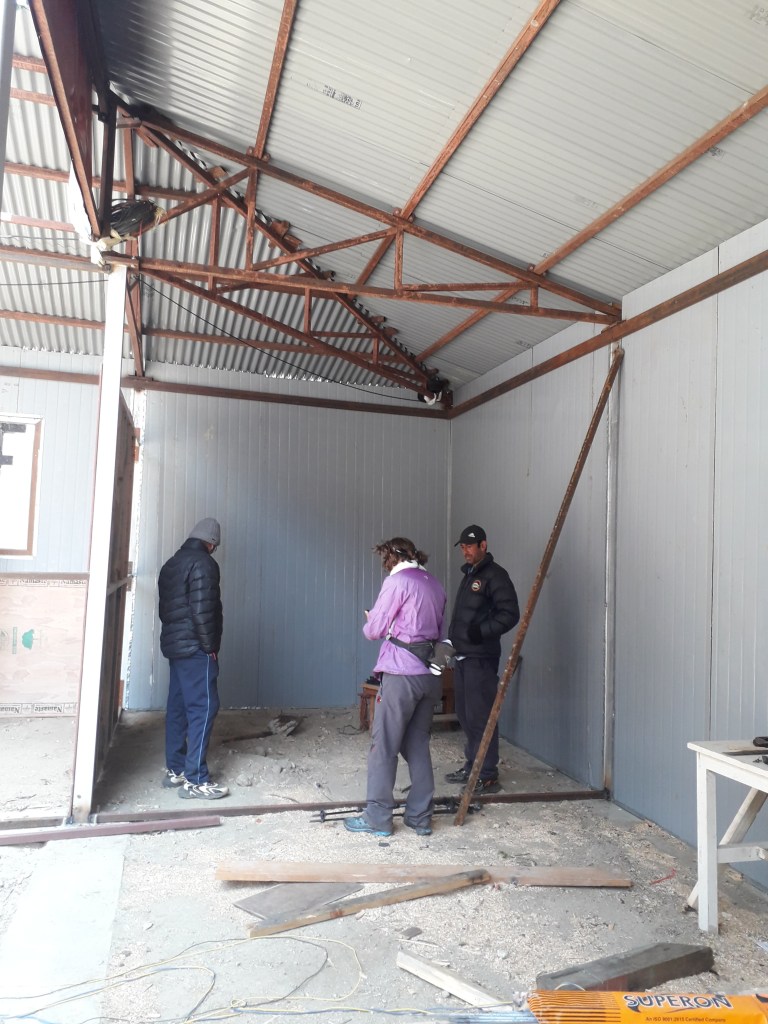
Melky carried out repairs at Quishuar Health Post and worked with the village committee to reorganise the water supply for the village, including the supply for the health post.

Nepal

As well as providing school supplies in Thame (Solukhumbu) and Manaslu (Gorkha district), we continued to provide funding to the local school in Thame which enabled them to continue engaging the services of a full time teacher at the school for another year. Following the Thame Flood, all the children and staff are now based at the school in Khumjung.

In August 2024 two glacial lakes above Thame village burst and water, mud, boulders and debris flooded down the valley. The flood destroyed many of the homes and businesses in Thame, the health post and school, autumn crops and winter stores, the hydro electric plant and trails to and from the village. Working through the Himalayan Trust and local contacts we focused on providing funding for initial food supplies and ensuring the education for the children of Thame.

LED partners with Ang Rita Sherpa of The Partners Nepal on their “One Day One Tree” project which focuses on planting native tree species, such as rhododendrons, junipers, birch, and fir, in key areas of Solukhumbu, including Khunde, Khumjung, and Pangboche. This not only enhances forest cover but also delivers critical ecological benefits, such as stabilizing soil, improving watershed health, and creating habitats for local wildlife. Rooted in its collaborative approach, the program has also raised awareness among communities about the vital role forests play in mitigating the effects of climate change.

We also support The Partners Nepal with the running costs of the Elderly Care Center old people’s home in Bung.

Following the floods that hit the Kathmandu Valley in September 2024, Mingmi and Tenzi Sherpa distributed LED solar lights to outlying areas, 1 ½ day’s walk from Kathmandu.


2025 Projects

We’re delighted that Val has already booked her flights to return to Nepal next spring and Peru next summer.

Confirmed projects – there will be others:

Peru

Solar lights: We’ll continue with our project to distribute LED solar lights to 4 new village communities in the Cordillera Blanca.

Quishuar primary school: We’ll continue to provide school supplies each year.

Quishuar Health Post: We’ll continue to fund the nurse and medical supplies, and ongoing maintenance of the building itself.

Quishuar Health Post Volunteers: Three medical students are already confirmed for summer 2025. Val’s planning mobile medical clinics during their time in the Cordillera Blanca which forms their elective placement.

Greenhouses: LED is funding the cost of replacing three polytunnel greenhouses that were stolen from the health post during autumn 2024. The thieves also stole the four greenhouses the villagers constructed having seen the benefits brought by fresh vegetables grown in the health post greenhouses.

Nepal

Thame Flood Relief: Over the course of 2025 we expect to fund further flood relief projects in Thame and to support the communities of Thame Teng (where many families have now moved to) and Khumjung (where Thame school now operates).

Solar lights: During her spring trek in Manaslu and Nar Phu, Val will be distributing lights to more folks from remote communities in those areas. We also plan to distribute lights to more of the outlying areas of Kathmandu Valley that remain without road access following September 2024’s flood.

Mobile medical clinics, eye clinics & glasses distribution: The spring trek in Manaslu and Nar Phu will provide Val and the group with the opportunity to run mobile medical clinics and eye clinics and to distribute more of the reading and long distance glasses provided by Pat and Dave Booth. Khumbu region now has an optician but we plan to run a mobile eye clinic there too.

Thame & Samdo schools: LED will continue support the Thame teacher and provide school supplies for Thame and Samdo schools for another year.

Bung Old People’s Home: LED will continue partnering with The Partners Nepal to support the running costs of Bung old people’s home.

Solukhumbu reforestation: LED will continue partnering with The Partners Nepal to support their “One Day One Tree” project.


Wonky Wombats at Work in Peru

Thame Flood Relief, Nepal


As ever, we’ll be providing ongoing updates via Facebook at Facebook/LEDCharity and donations are always welcome using our JustGiving page justgiving.com/lighteducationdevelopment.

Val and the LED Trustees