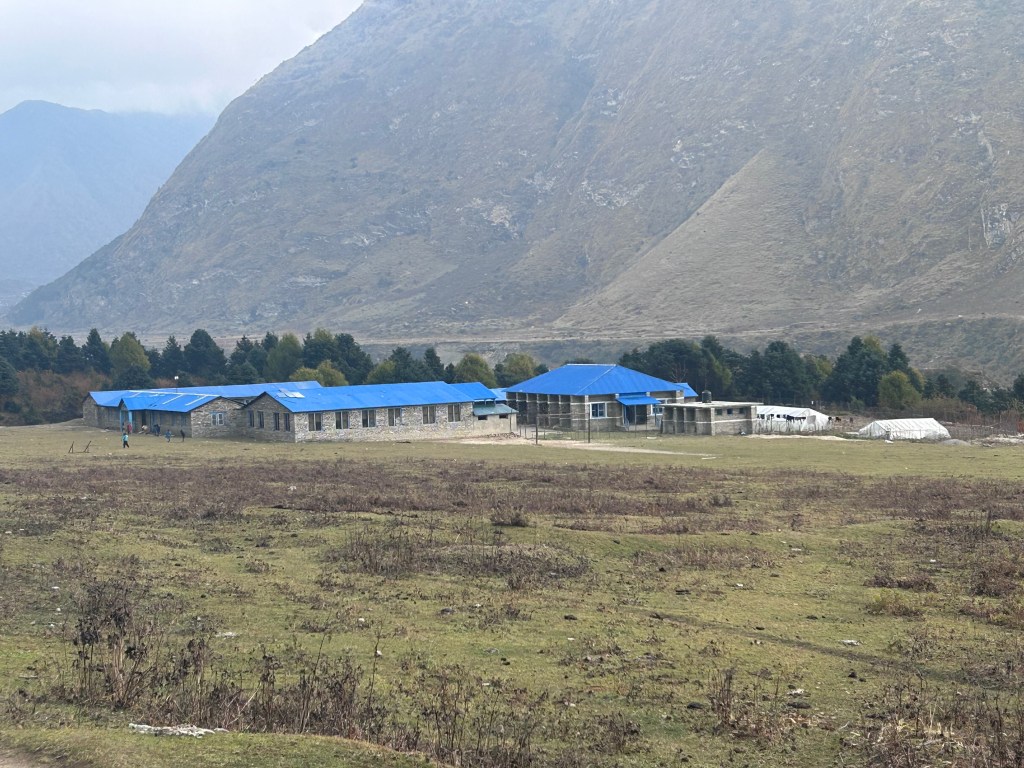
In Nepal’s Manaslu region, we have a long term relationship with Samagaon School which we have been supporting since 2010. It is a school for pupils up to the age of 12 and is a boarding school because for most pupils in this remote area home is a day’s walk or more away. Agriculture is important to the area and the Manaslu Circuit has now developed to be a tea house trek, providing more economic activity and employment. The school aims to provide a broadly based education equipping its students to progress to work in the wider economy and for further education, typically in Kathmandu.
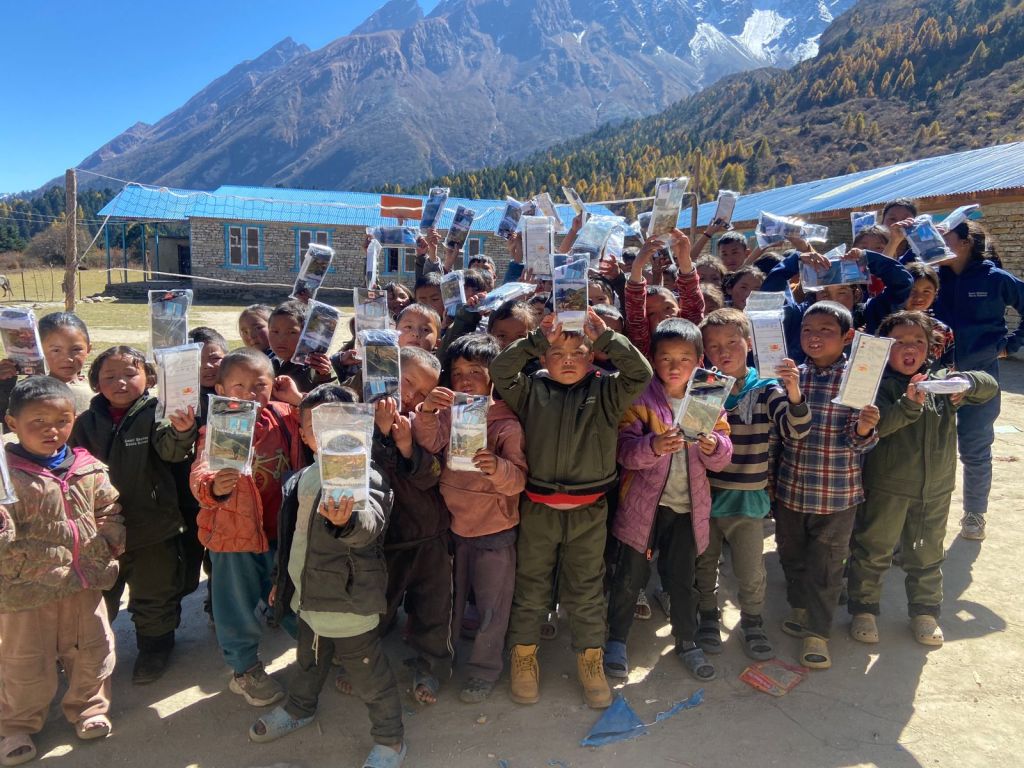
We have been providing school supplies each year together with sports equipment and science equipment. Samagaon is where the valley of the Budhi Gandaki opens out and there is enough flat ground for a cricket pitch. We and our donors have also funded buying traditional dress outfits used in festivals through the year. The school uses our solar lights too.
The school has a strong leadership and teaching team. We have encouraged them to develop their own list of longer term major projects they want to undertake. At the top of this list are solar heated showers and solar powered standby electricity supplies. Without reliable hot water remaining clean and healthy is a challenge for the pupils and the hydro-powered electricity supply is not entirely reliable. We will be supporting the school in 2026 and beyond in funding and supporting the management of these initial and further projects.
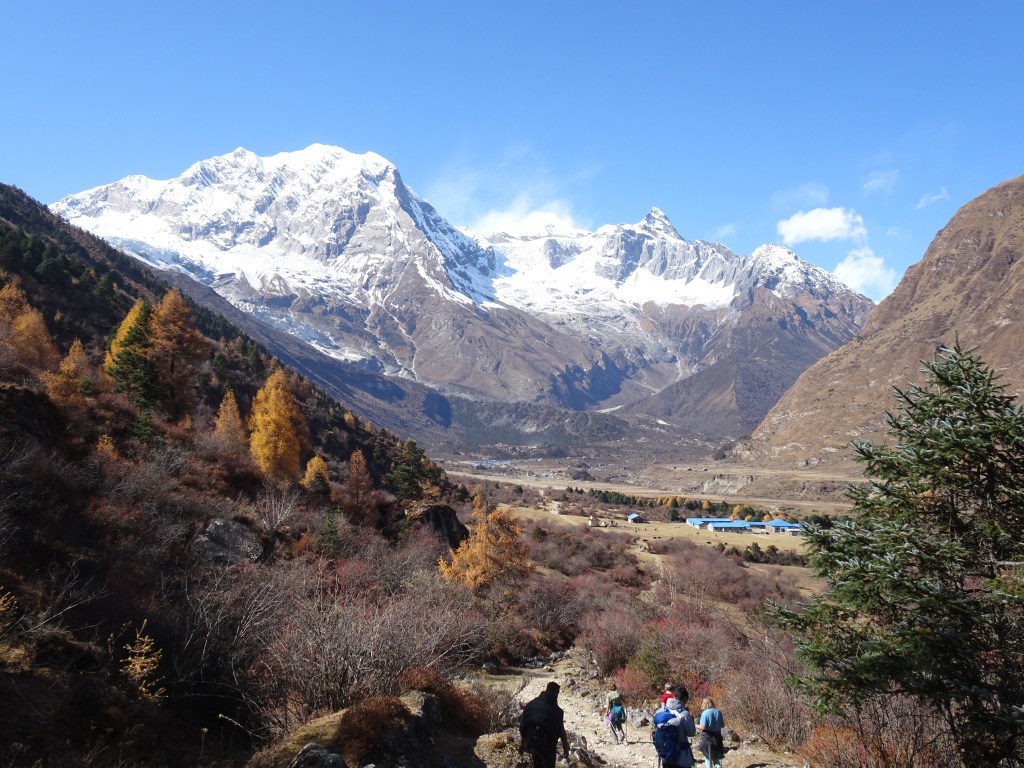
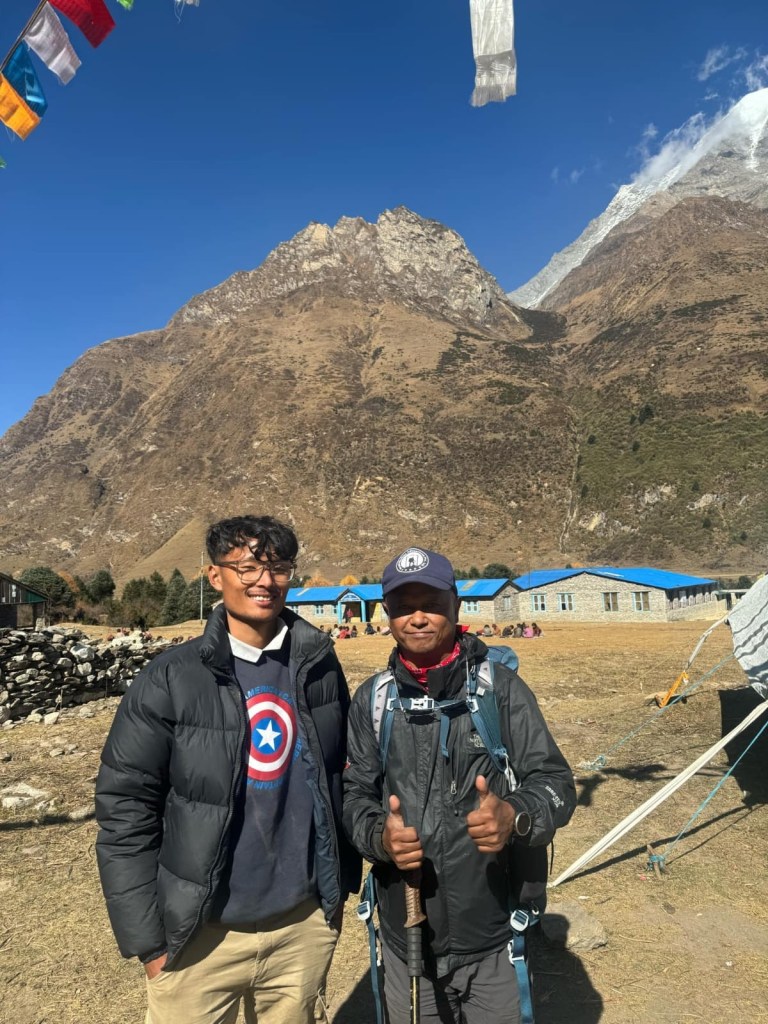
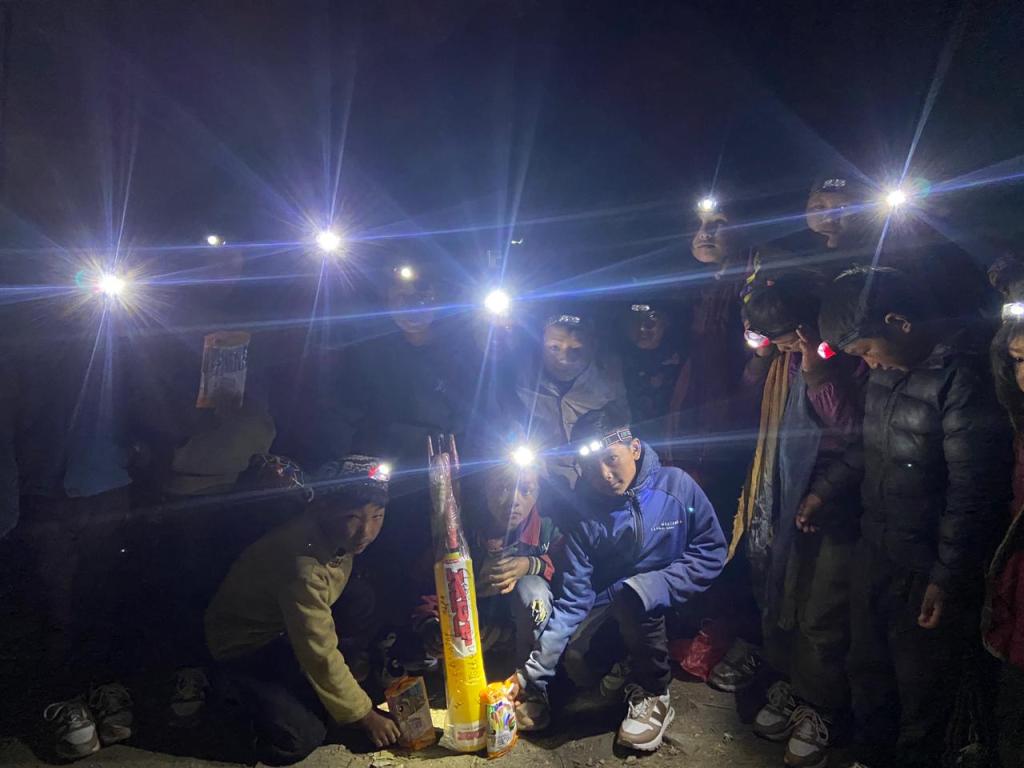
Approaching SamagaonTsetan Dhundup (Teacher) & Supa Tamang (Sirdar)Samagaon SchoolCricket Kit & Head TorchesSamagaon Schoolchildren, with new socksPhotos from one of our new donors
In July 2025 Cambridge University medical student Dan Lloyd-Davies carried out his medical elective at the health post in Quisuar in Peru’s Cordillera Blanca. Here is Dan’s report of his medical elective experience.
Medical elective report – Quishuar, Ancash, Peru. July 2025
Daniel Lloyd-Davies
At the end of my penultimate year of medical school I was fortunate to organise an elective placement with the help of the LED charity in the village of Quishuar, in Ancash, Peru. I had heard about this small place near the city of Huaraz, by word of mouth from friends who had completed medical electives there in the past and had great experiences.
The Paul De Shasho medical outpost was built and continues to be funded by the LED charity following a previously unmet need and request by the villagers for a medical post. A two hour mountainous drive from the nearest town (and a further nine from Huaraz!), access to healthcare and health education is otherwise difficult for the community who need to spend long days tending their crops and livestock in the mountainous locality.
The journey there was remarkable in of itself. Once I arrived in Huaraz, it was necessary to stay there for a few days and go on some hikes to help acclimatise to the altitude. Huaraz is at 3000m and Quishuar even higher; but this gave the opportunity to take in some of the phenomenal scenery of the Cordilleras Blancas mountains before the further journey. The onwards journey to Quishuar was also one of the most scenic of my life, traversing winding mountain trails and valleys.
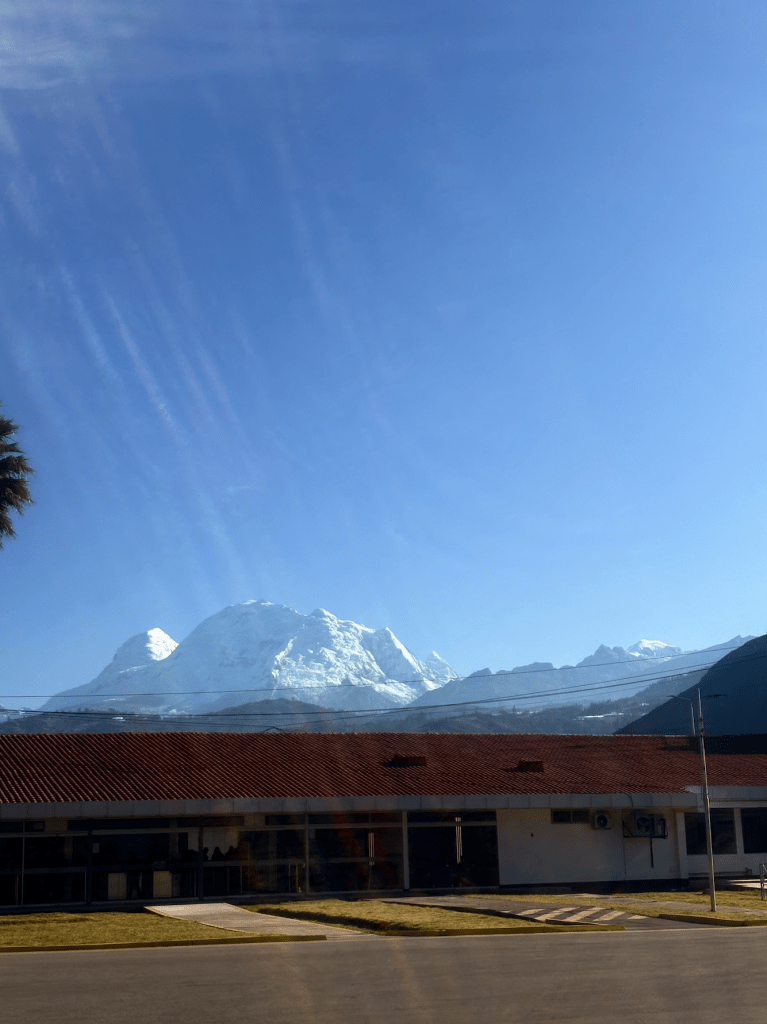
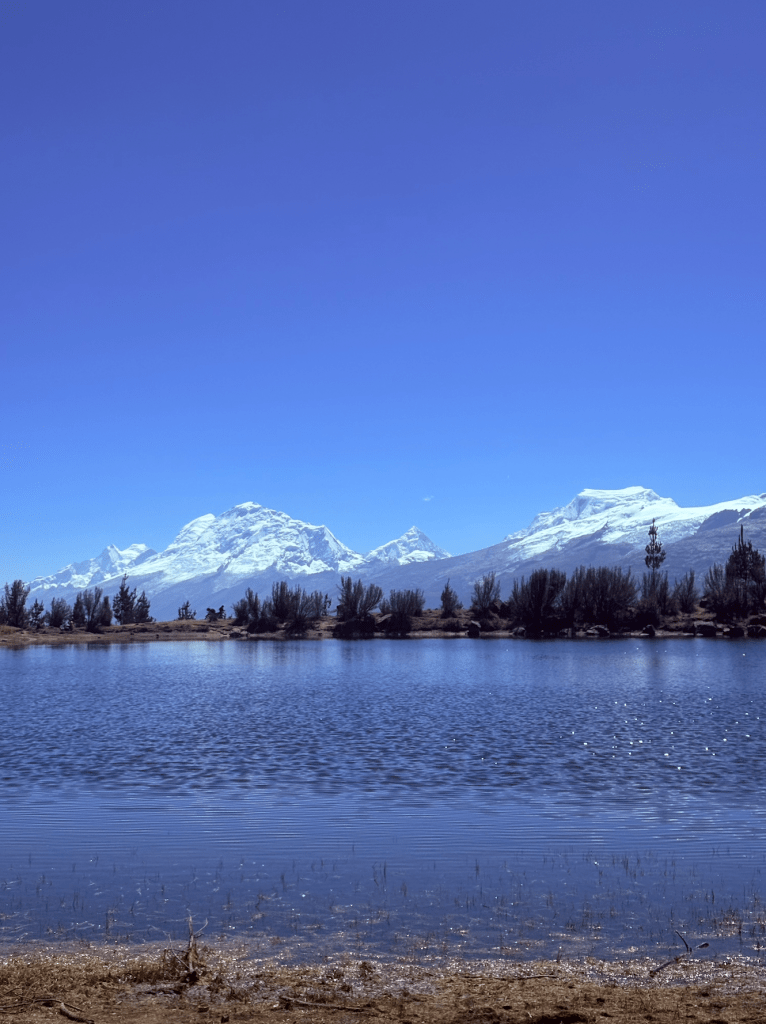
View of the Huascaran Mountain upon landing at Huaraz airportViews over Laguna Radian on one of the altitude acclimatisation hikes prior to travelling onwards to Quishuar
The health post is located in the centre of Quishar on land donated by one of the villagers. One permanent nurse, Noemi, works at the health post throughout the year attending to the health of the village residents and also the residents of nearby villages who may walk a long way in order to attend. The primary language of these communities is Quechua, an indigenous language of Peru, but particularly younger people were also fluent in Spanish. I was able to get by with my level of Spanish, but also had the fantastic kind help of Noemi and Juan who helped with translating Quechua and also the more difficult Spanish terms.
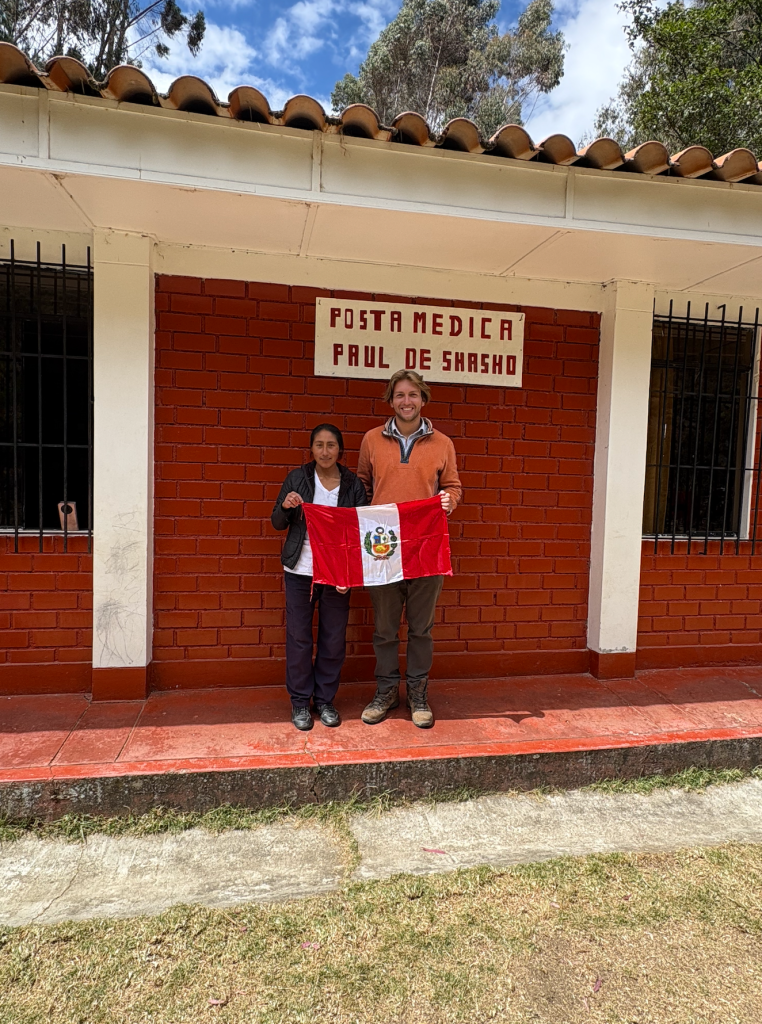
Noemi and Dan in front of the health post
Funded charitably, the clinic had a consultation room and a modest stock of basic medicines and equipment. Access to medical investigation equipment was limited mostly to pulse oximetry and blood glucose monitoring. For scans, blood tests, or other further investigations patients would have had to travel a long journey to the nearest town or city. This really encouraged me to rely and trust much more on my clinical history taking and examination skills, which was really valuable personal development for me and my medical training. Some of the more common presentations I saw included H.pylori peptic ulcers, gastro-oesophageal reflux, osteoarthritis, and prostate hypertrophy. Furthermore, a lot of patients came with age- or sun- related visual changes and we were able to give them glasses or sunglasses as required and educate with regards to sun safety and eye health.
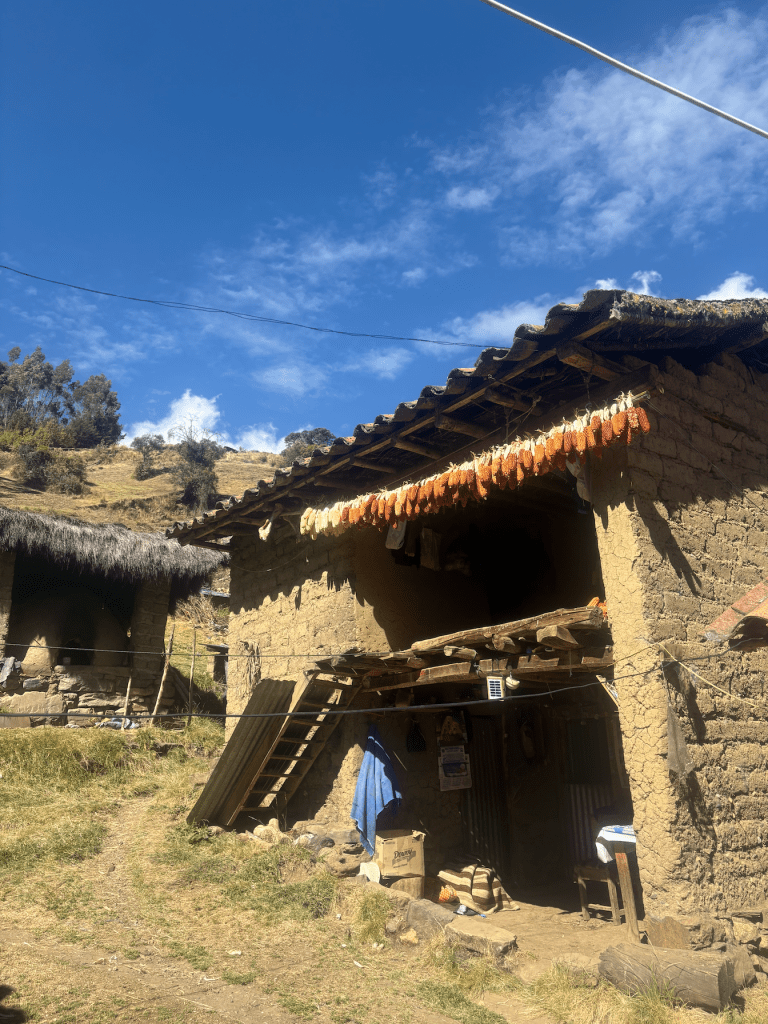
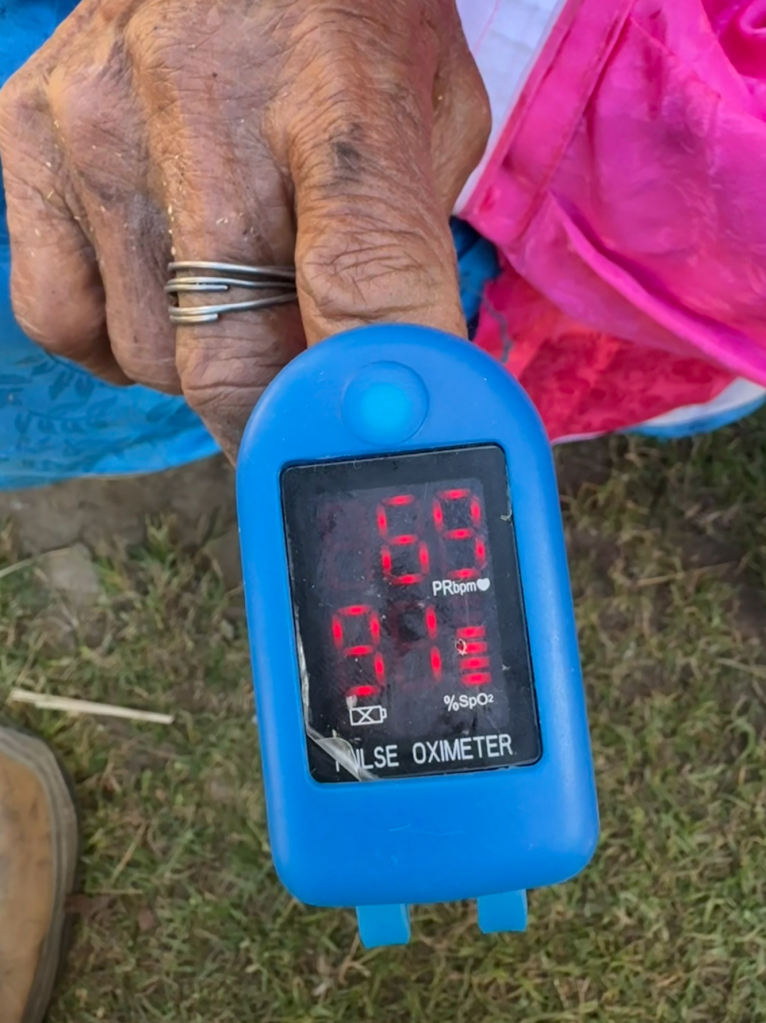
A typical adobe house in QuishuarBlood oxygen was consistently lower compared to the UK, in this community living at altitude
In such a special location, there was plenty to do in my spare time. Late each afternoon I would give English lessons for some of the local children at the end of their school day. They were already much better linguists than myself, fluent in both Quechua and Spanish, but seeing them progress their English across the course of my lessons was also really rewarding.
One weekend we walked two hours to a neighbouring village to watch a football tournament between some of the villages of the region. Luckily, Quishuar won their match that day and everyone celebrated with pitchside food and drinks in the sun.
The location also lent itself to a lot of amazing days spent hiking. The altitude made this tougher than hiking back home, but I enjoyed the challenge and it was all worth it for some of the stunning views and trails I got to see. One particular highlight was an early morning hike up one of the corners of the valley to a nesting area for condors, and we were rewarded by being able to see some of these huge birds up close and taking flight.
Games with some of the local kids after one of their English lessons. Juan (on the left) supported me throughout the elective, guiding me around the area and helping with translation.
I would like to thank the LED charity for facilitating this invaluable experience which will stay with me for a long time. Thanks to Val, Juan, Noemi, Melky, and Lola for their support and warmth across my time in Peru.
Thank you Dan all for all your hard work in Quisuar and the surrounding villages. It sounds like you had a really great time! We wish you all the best with your medical career.
Val was back in Nepal from late March to early May, spending time in the Khumbu and Manaslu-Tsum areas which provided the opportunity to review LED projects, to deliver solar lights, medical supplies and school supplies, and to hold eye clinics.
In June, Val heads out to Peru for the summer and will be carrying out LED work in Quishuar and the surrounding valley communities, and meeting the medical students undertaking their medical electives at the health post in Quishuar and Huaraz Hospital.
Nepal
In Khumbu, Val had the opportunity to visit Thame to see the impact of last August’s Glacial Lake Outburst Floods and the work the community is doing to recover from the disaster.
Thame Flood Relief: Val attended a Thame flood relief meeting with the villagers to discuss their ideas, deciding the main focus would be a water culvert diversion programme to protect the remaining village homes and lodges, some repaired and others rebuilt after the flood last August. LED is helping to fund the construction costs.
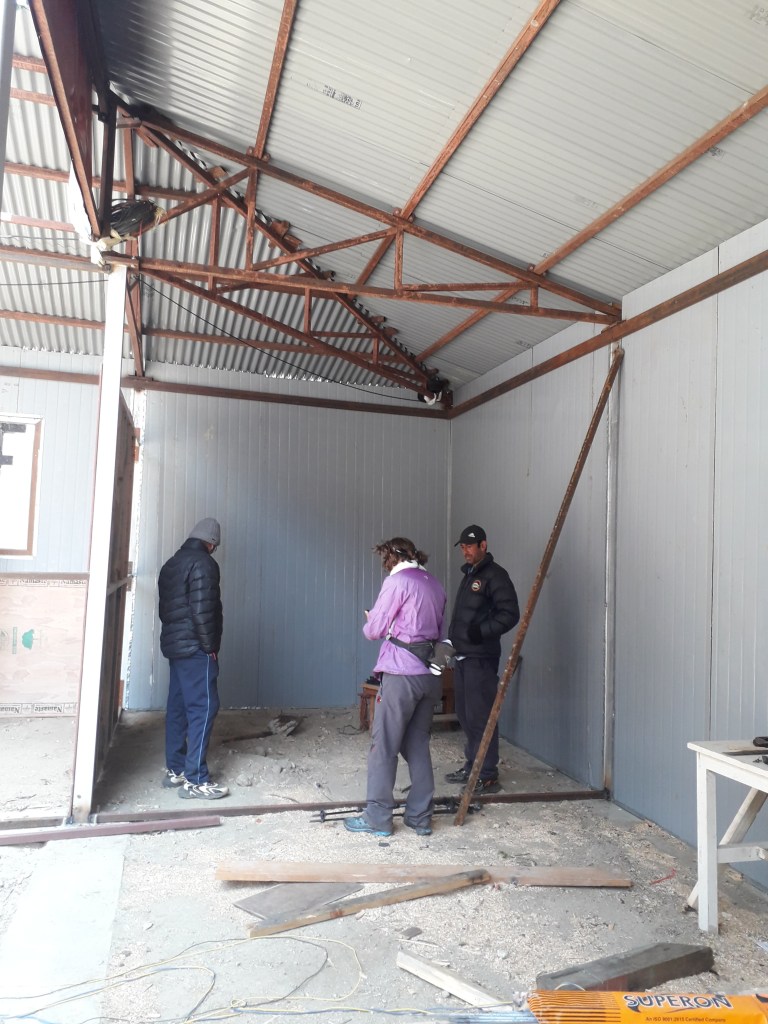
Thame School: The school building was destroyed by the flooding. The community has decided to repair and reinforce the former community centre between Thame and Thame Teng, which was previously damaged by earthquakes, so that it can be used as the community school. LED is helping to fund the rebuild through the Himalayan Trust.
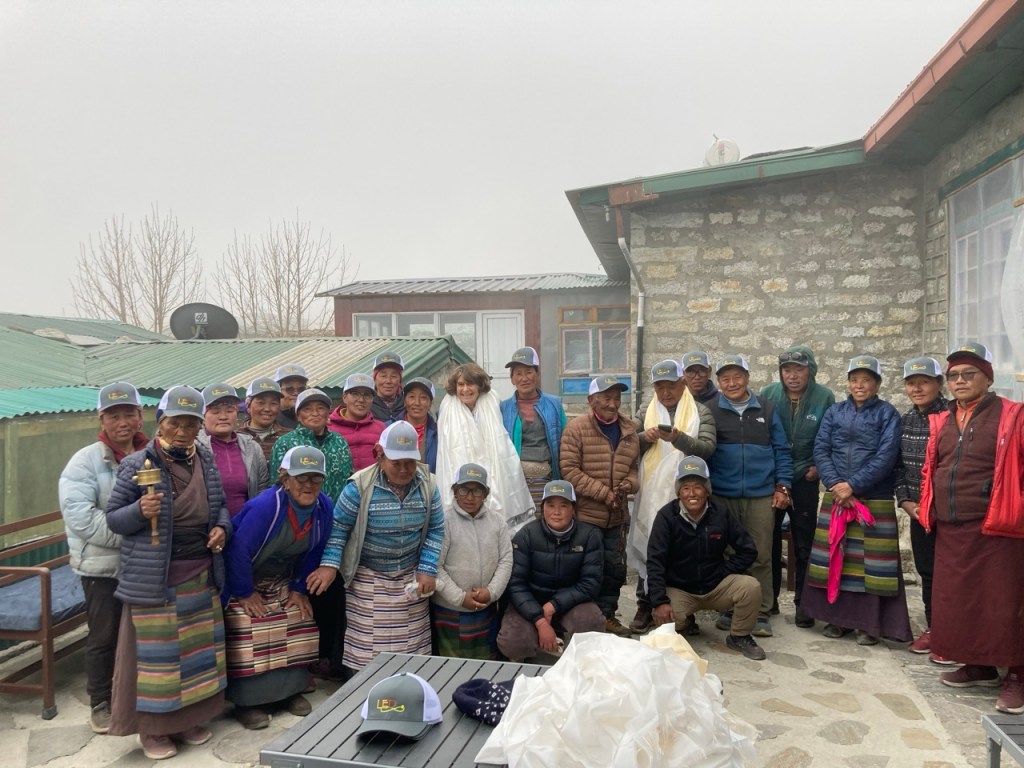
Val also delivered LED caps to the schoolkids. The caps were Pat Booth’s suggestion to protect eyes from UV. Thank you to Mingmi and Ang Rita for organising the caps.
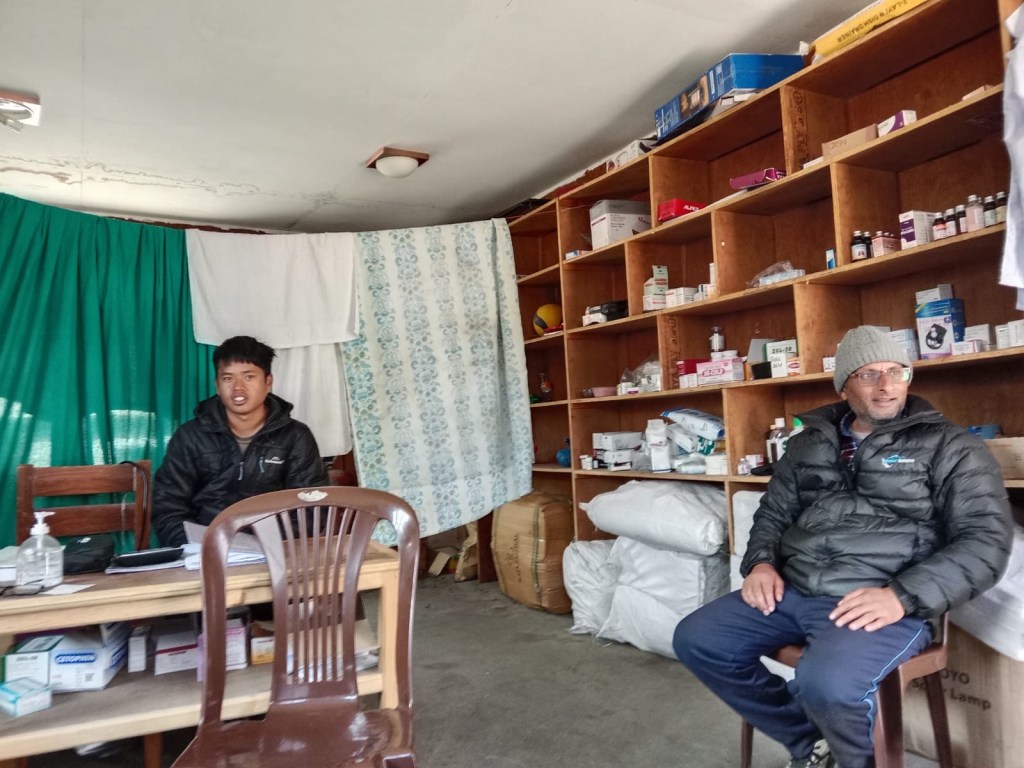
Thame Health Post: Val met with the community health worker about rebuilding the health post in Thame, the original having been destroyed by the floods. The likely location will be above Thame. In the meantime the health worker is working out of the community building between Thame and Thame Teng.
In Lukla Val had a meeting with Pasang Dawa, chairman of Himalayan Trust, about the health post and other Thame flood Relief projects.
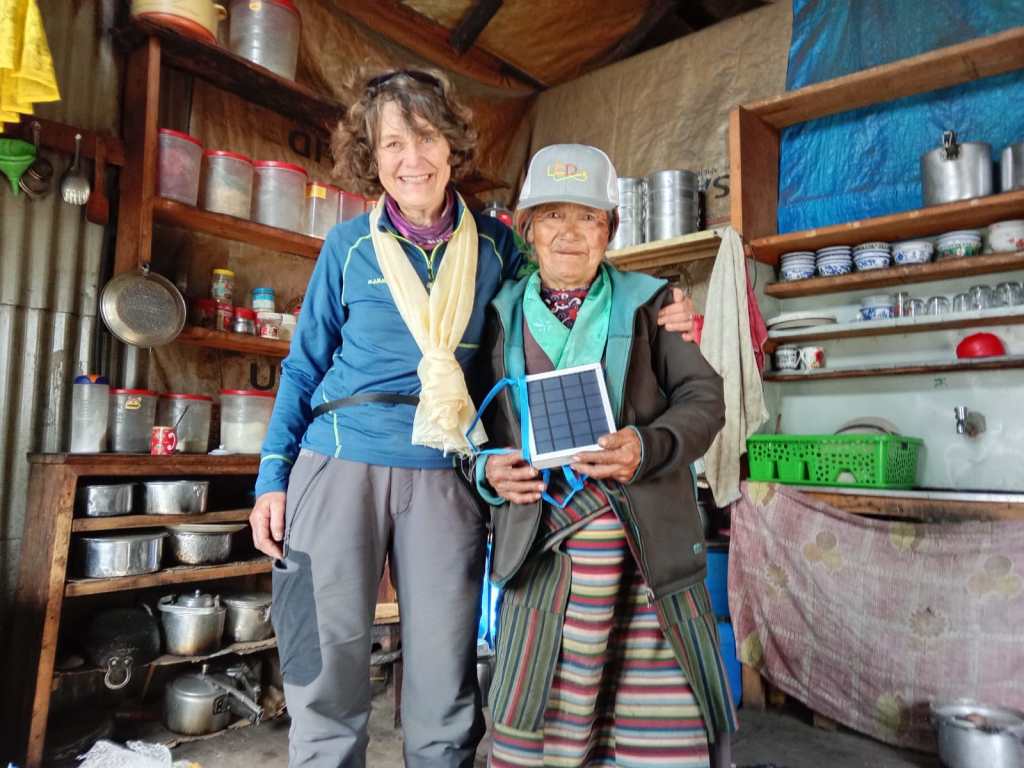
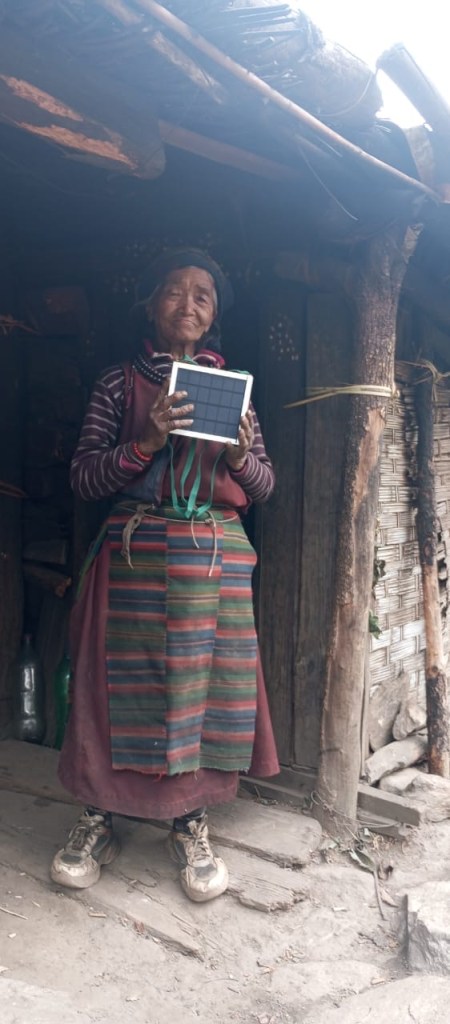
Solar Lights: Val delivered solar lights to folks who needed replacements following the floods.
Next stop Tsum and Manaslu with the Wonky Wombats from Australia who were trekking with Val and delivering solar lights, medical supplies and school supplies.
Eye Clinics: Eye clinics were held in Nile and Chumling in Tsum and Prok in Manaslu. In Bihi, Val and the Wonky Wombats delivered glasses donated by Pat Booth and the Wonky Wombats to Dr Ruit the famous cataract eye surgeon from Tilganga Institute of Ophthalmology who was holding a cataract eye surgery in the area. His team were also teaching local health workers how to test for eye glasses and LED was able to provide eye glasses to his team running the Nubri clinic out of Bihi.
Val was also able to provide sunglasses / eye protection for a team of road workers encountered en route.
Solar Lights: Val and team delivered solar lights and carried out repairs.
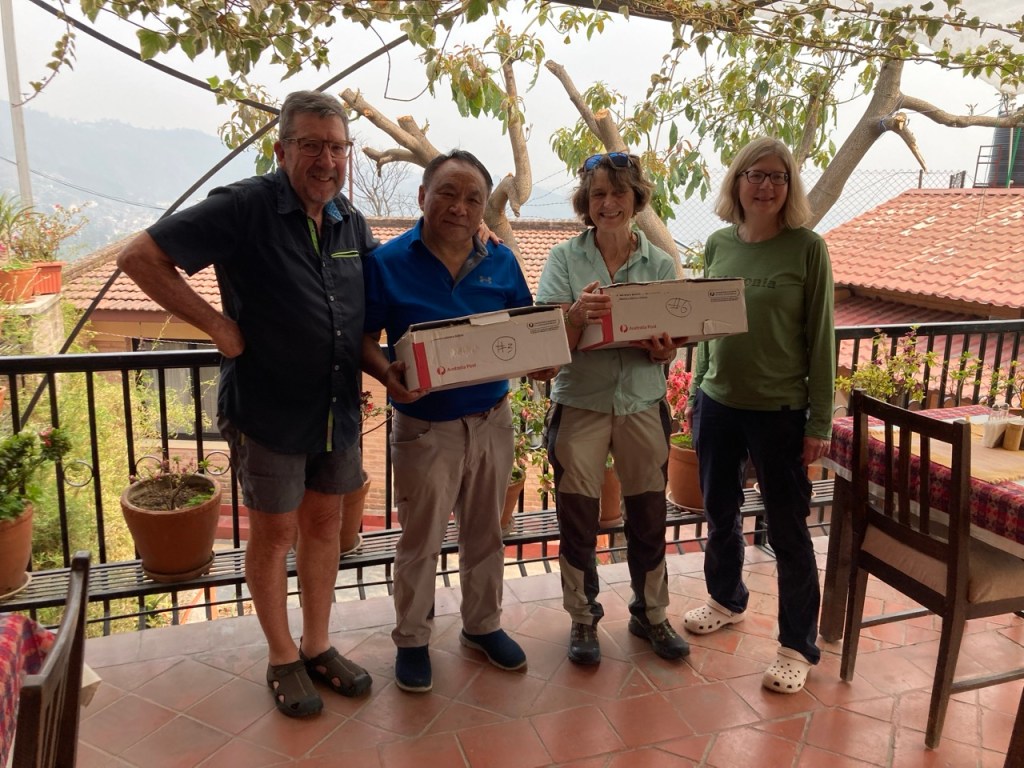
Val met with Ang Rita of The Partners of Nepal about the projects LED supports: One Day One Tree and Bung old people’s home. Val and the WWs handed over 2 boxes of medical supplies plus a box of eye glasses and instructions to go to Bung old people’s home.
Big thanks to the Wonky Wombats for all their generous donations, and to pharmacist Chris for the 6 full kit bags of medical supplies.
A big thank you to Mingmi, Tenzi and Daley for all their help on the trips.
Thank you to Dr Kami and Dadoma for all their incredible work and support Thame side.
Peru
Welcome to Cambridge uni medics Franco Magjuni and Riyaad Ali, who’ve just arrived in Lima and will be spending a month in Huaraz and Quishuar at the hospital and health post respectively completing their medical elective.
In July fellow Cambridge uni medic Dan Lloyd-Davies will be coming out to spend a month in Huaraz and Quishuar on his medical elective.
Val will be heading out to Peru later this month and visiting the health post and delivering school supplies medical supplies to Quishuar and solar lights to remote families in the valleys around Quishar still without electricity.
Thank you to Melky and Antonia for their ongoing help with the Quishuar health post and Melky’s perseverance in working with the local government on the construction of the replacement Quishuar water supply and to Juan for providing support to the medics while they are in Quishuar.









 Light Education Development