In July 2025 Cambridge University medical student Dan Lloyd-Davies carried out his medical elective at the health post in Quisuar in Peru’s Cordillera Blanca. Here is Dan’s report of his medical elective experience.
Medical elective report – Quishuar, Ancash, Peru. July 2025
Daniel Lloyd-Davies
At the end of my penultimate year of medical school I was fortunate to organise an elective placement with the help of the LED charity in the village of Quishuar, in Ancash, Peru. I had heard about this small place near the city of Huaraz, by word of mouth from friends who had completed medical electives there in the past and had great experiences.
The Paul De Shasho medical outpost was built and continues to be funded by the LED charity following a previously unmet need and request by the villagers for a medical post. A two hour mountainous drive from the nearest town (and a further nine from Huaraz!), access to healthcare and health education is otherwise difficult for the community who need to spend long days tending their crops and livestock in the mountainous locality.
The journey there was remarkable in of itself. Once I arrived in Huaraz, it was necessary to stay there for a few days and go on some hikes to help acclimatise to the altitude. Huaraz is at 3000m and Quishuar even higher; but this gave the opportunity to take in some of the phenomenal scenery of the Cordilleras Blancas mountains before the further journey. The onwards journey to Quishuar was also one of the most scenic of my life, traversing winding mountain trails and valleys.
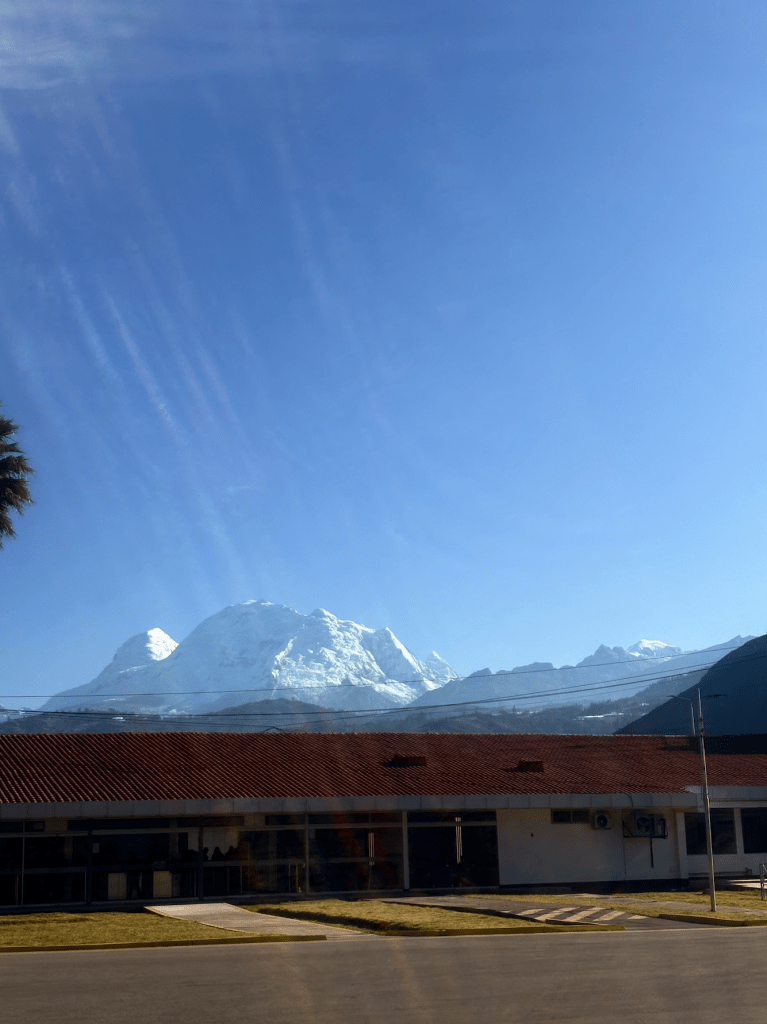
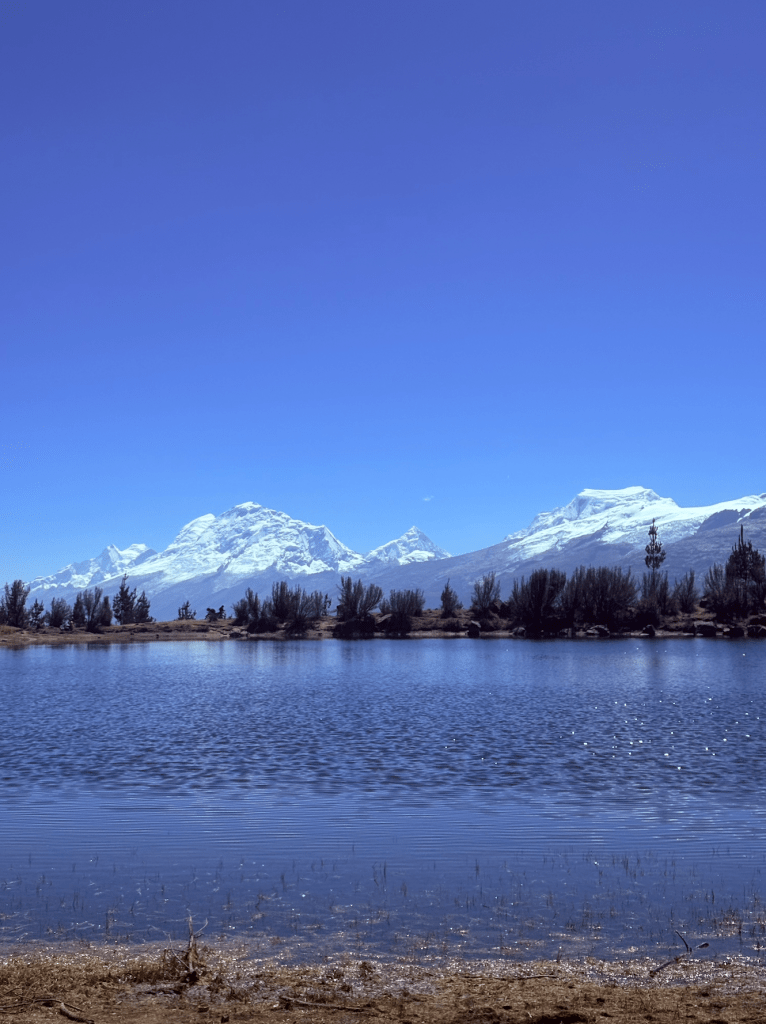
The health post is located in the centre of Quishar on land donated by one of the villagers. One permanent nurse, Noemi, works at the health post throughout the year attending to the health of the village residents and also the residents of nearby villages who may walk a long way in order to attend. The primary language of these communities is Quechua, an indigenous language of Peru, but particularly younger people were also fluent in Spanish. I was able to get by with my level of Spanish, but also had the fantastic kind help of Noemi and Juan who helped with translating Quechua and also the more difficult Spanish terms.
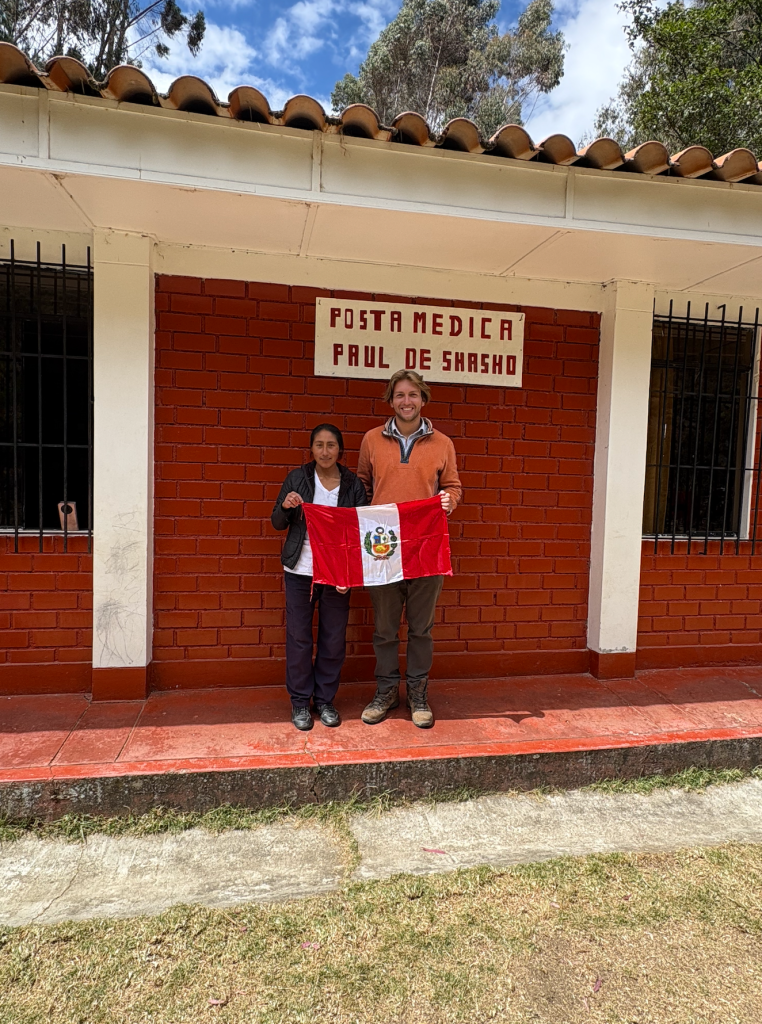
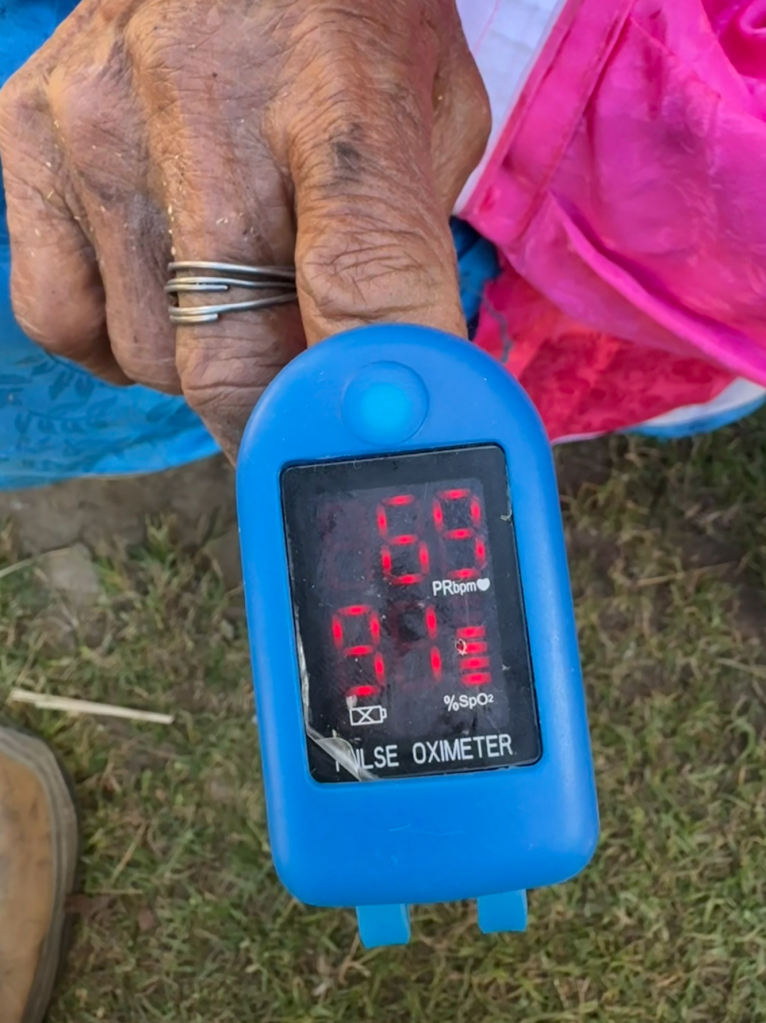
Funded charitably, the clinic had a consultation room and a modest stock of basic medicines and equipment. Access to medical investigation equipment was limited mostly to pulse oximetry and blood glucose monitoring. For scans, blood tests, or other further investigations patients would have had to travel a long journey to the nearest town or city. This really encouraged me to rely and trust much more on my clinical history taking and examination skills, which was really valuable personal development for me and my medical training. Some of the more common presentations I saw included H.pylori peptic ulcers, gastro-oesophageal reflux, osteoarthritis, and prostate hypertrophy. Furthermore, a lot of patients came with age- or sun- related visual changes and we were able to give them glasses or sunglasses as required and educate with regards to sun safety and eye health.
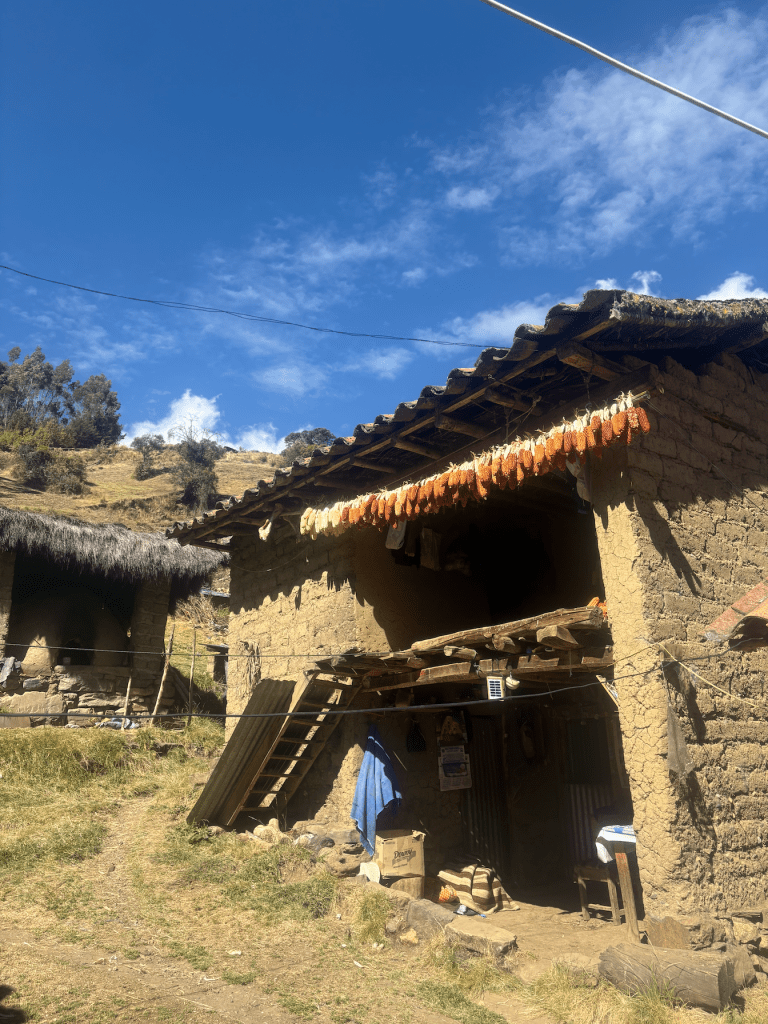
In such a special location, there was plenty to do in my spare time. Late each afternoon I would give English lessons for some of the local children at the end of their school day. They were already much better linguists than myself, fluent in both Quechua and Spanish, but seeing them progress their English across the course of my lessons was also really rewarding.
One weekend we walked two hours to a neighbouring village to watch a football tournament between some of the villages of the region. Luckily, Quishuar won their match that day and everyone celebrated with pitchside food and drinks in the sun.
The location also lent itself to a lot of amazing days spent hiking. The altitude made this tougher than hiking back home, but I enjoyed the challenge and it was all worth it for some of the stunning views and trails I got to see. One particular highlight was an early morning hike up one of the corners of the valley to a nesting area for condors, and we were rewarded by being able to see some of these huge birds up close and taking flight.

I would like to thank the LED charity for facilitating this invaluable experience which will stay with me for a long time. Thanks to Val, Juan, Noemi, Melky, and Lola for their support and warmth across my time in Peru.
Thank you Dan all for all your hard work in Quisuar and the surrounding villages. It sounds like you had a really great time! We wish you all the best with your medical career.
 Light Education Development