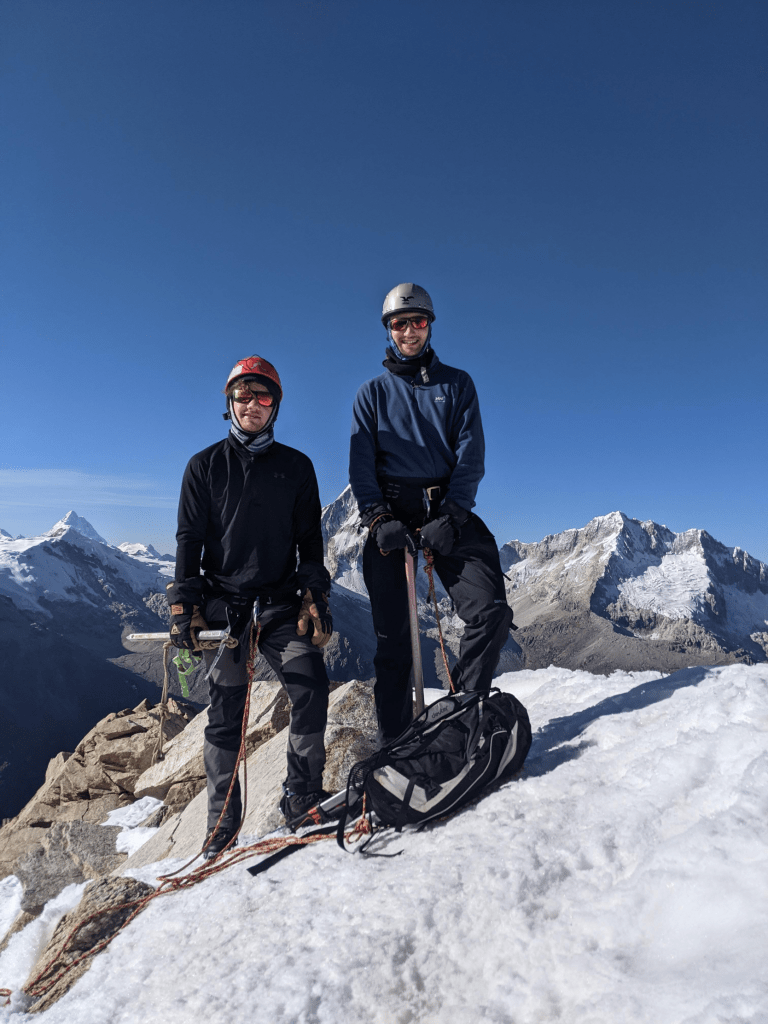
Medical elective report – Quishuar, July 2025 –Daniel Lloyd-Davies

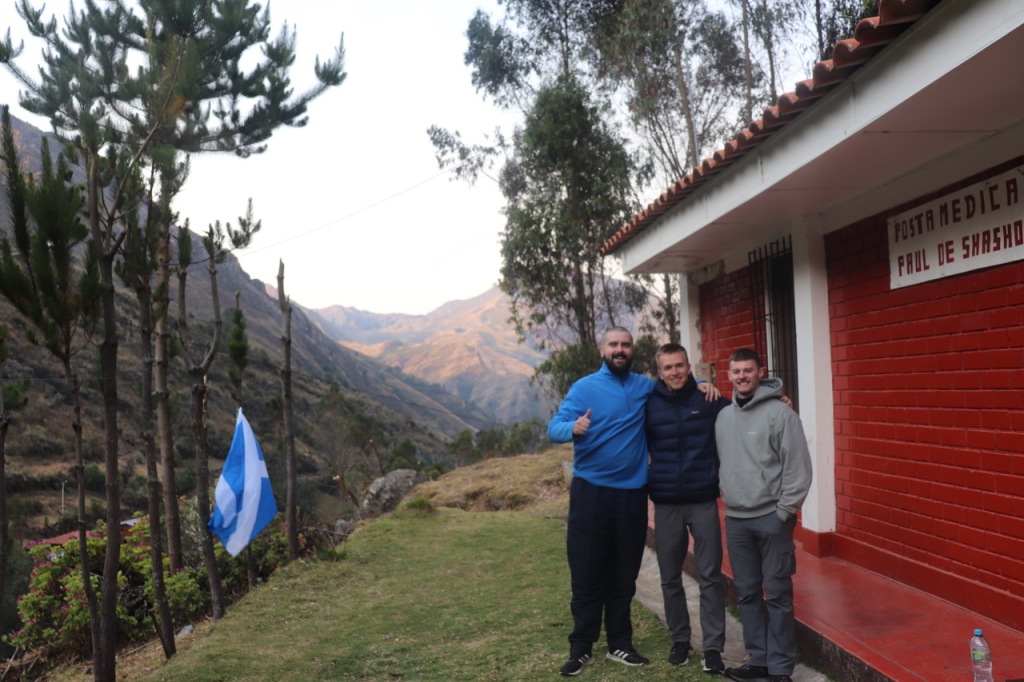
In July 2025 Cambridge University medical student Dan Lloyd-Davies carried out his medical elective at the health post in Quisuar in Peru’s Cordillera Blanca. Here is Dan’s report of his medical elective experience.


Medical elective report – Quishuar, Ancash, Peru. July 2025

Daniel Lloyd-Davies

At the end of my penultimate year of medical school I was fortunate to organise an elective placement with the help of the LED charity in the village of Quishuar, in Ancash, Peru. I had heard about this small place near the city of Huaraz, by word of mouth from friends who had completed medical electives there in the past and had great experiences.

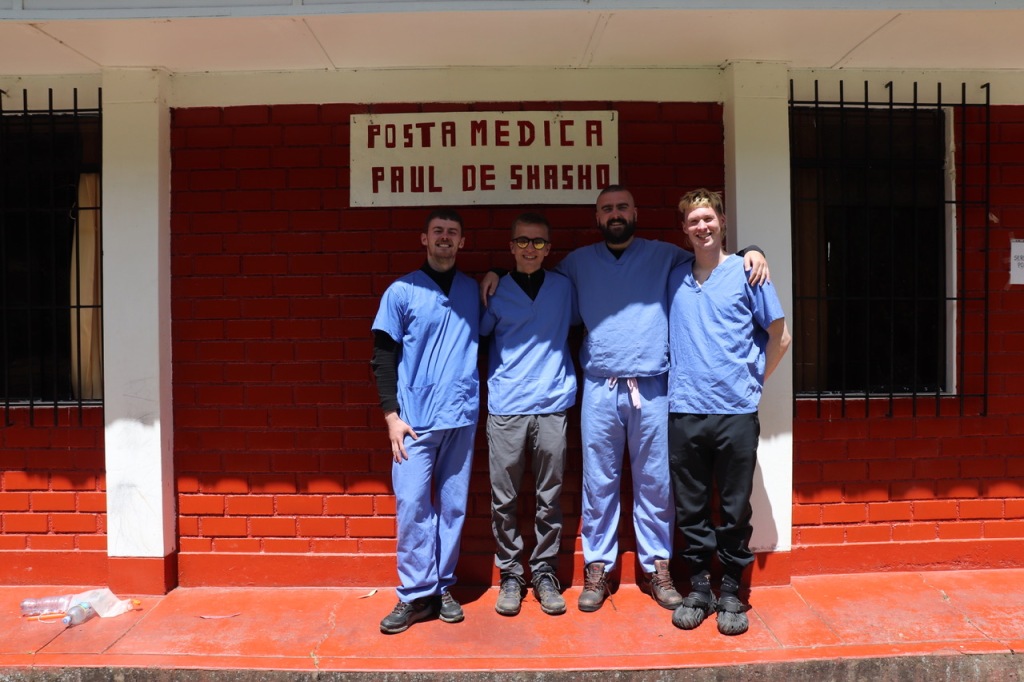
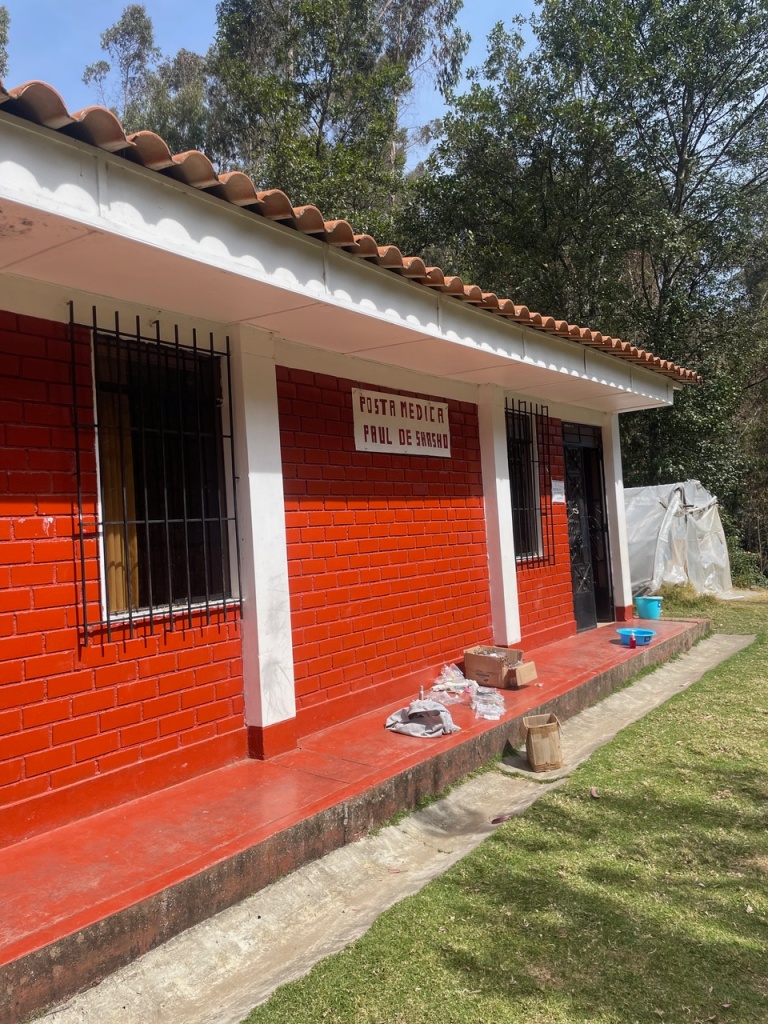
The Paul De Shasho medical outpost was built and continues to be funded by the LED charity following a previously unmet need and request by the villagers for a medical post. A two hour mountainous drive from the nearest town (and a further nine from Huaraz!), access to healthcare and health education is otherwise difficult for the community who need to spend long days tending their crops and livestock in the mountainous locality.

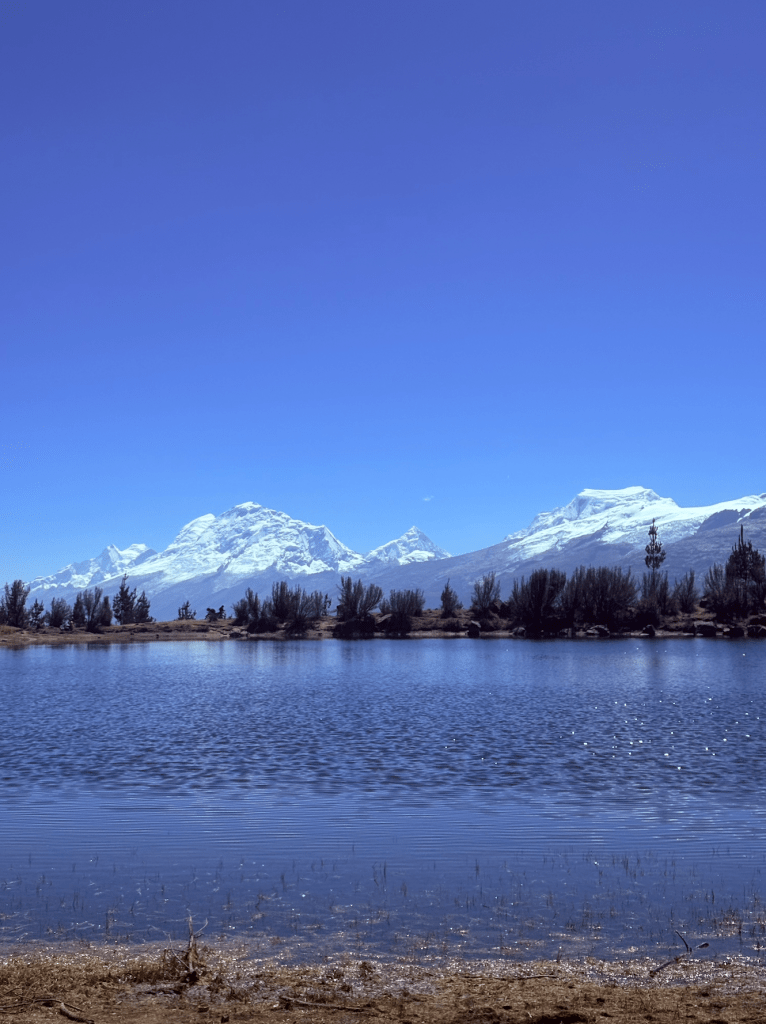
The journey there was remarkable in of itself. Once I arrived in Huaraz, it was necessary to stay there for a few days and go on some hikes to help acclimatise to the altitude. Huaraz is at 3000m and Quishuar even higher; but this gave the opportunity to take in some of the phenomenal scenery of the Cordilleras Blancas mountains before the further journey. The onwards journey to Quishuar was also one of the most scenic of my life, traversing winding mountain trails and valleys. 
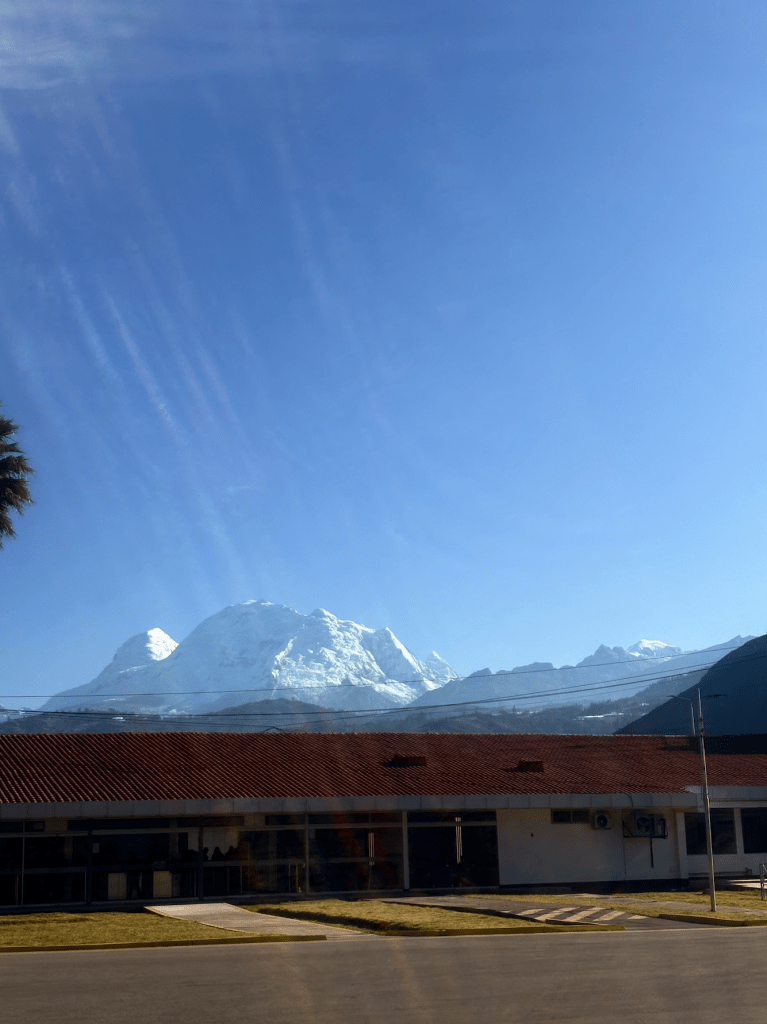
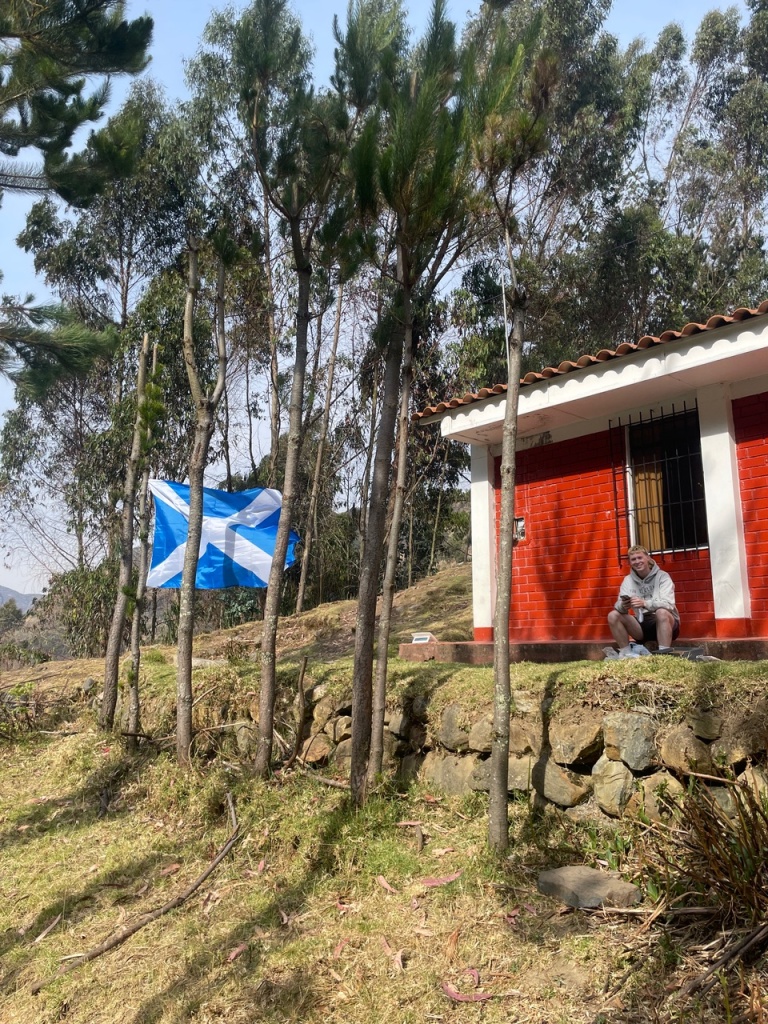
The health post is located in the centre of Quishar on land donated by one of the villagers. One permanent nurse, Noemi, works at the health post throughout the year attending to the health of the village residents and also the residents of nearby villages who may walk a long way in order to attend. The primary language of these communities is Quechua, an indigenous language of Peru, but particularly younger people were also fluent in Spanish. I was able to get by with my level of Spanish, but also had the fantastic kind help of Noemi and Juan who helped with translating Quechua and also the more difficult Spanish terms. 
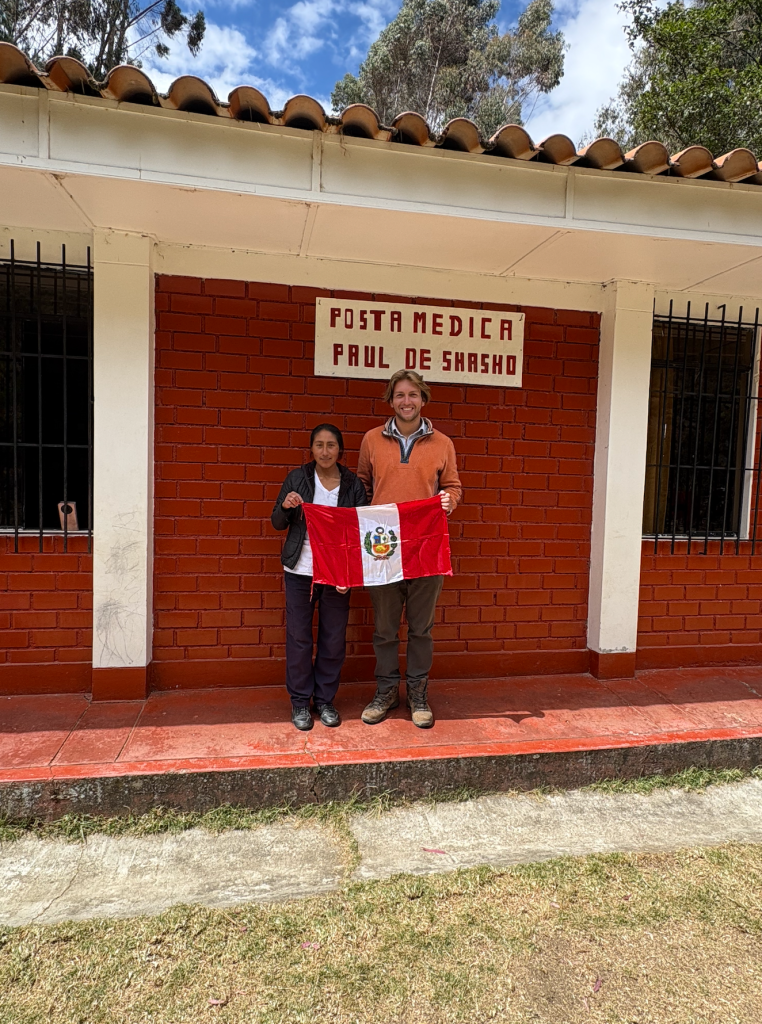
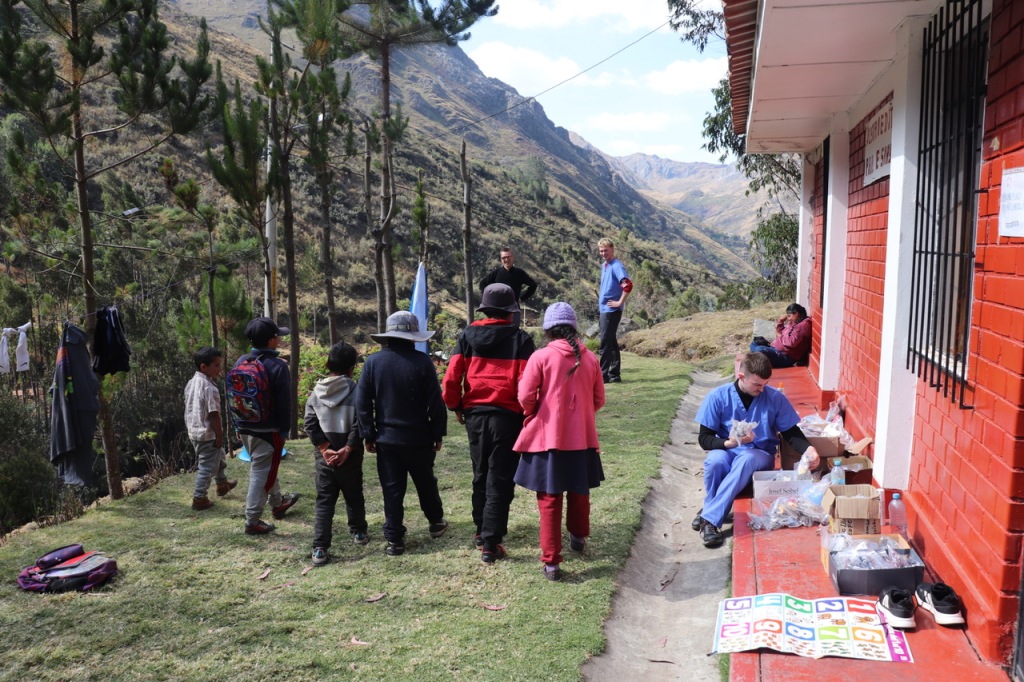
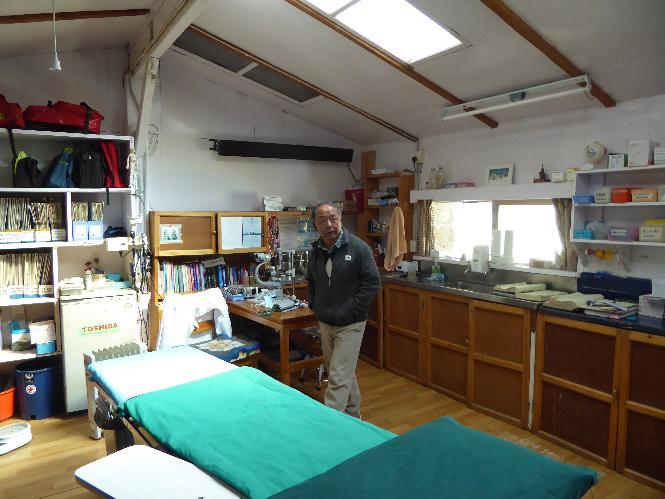
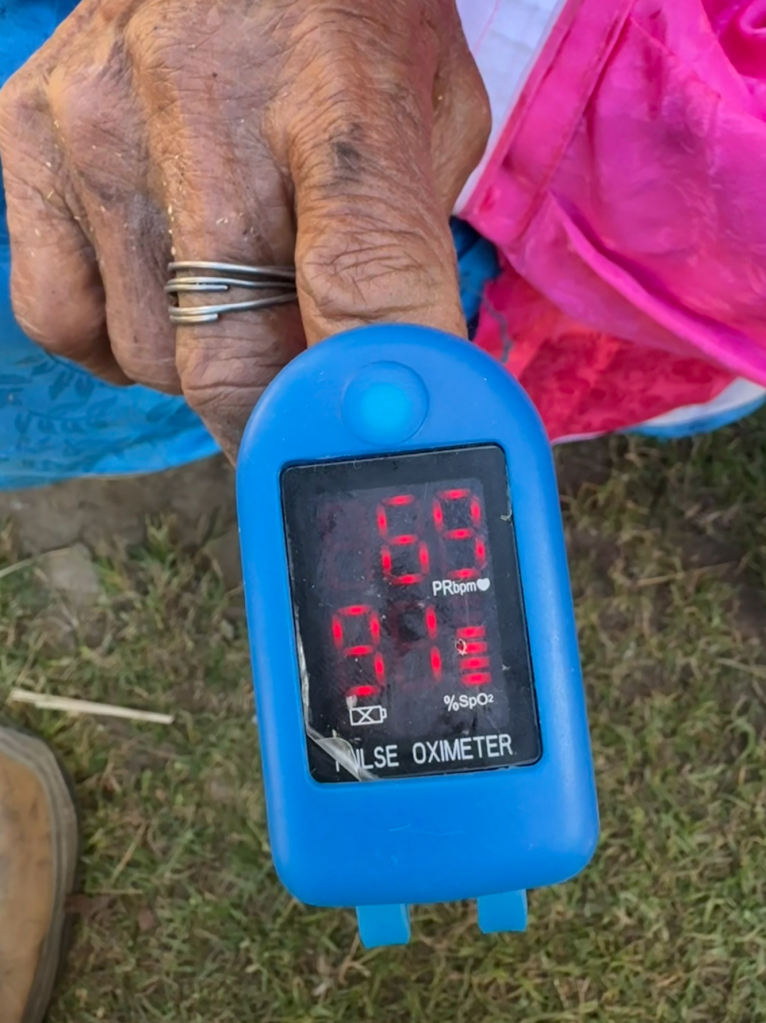
Funded charitably, the clinic had a consultation room and a modest stock of basic medicines and equipment. Access to medical investigation equipment was limited mostly to pulse oximetry and blood glucose monitoring. For scans, blood tests, or other further investigations patients would have had to travel a long journey to the nearest town or city. This really encouraged me to rely and trust much more on my clinical history taking and examination skills, which was really valuable personal development for me and my medical training. Some of the more common presentations I saw included H.pylori peptic ulcers, gastro-oesophageal reflux, osteoarthritis, and prostate hypertrophy. Furthermore, a lot of patients came with age- or sun- related visual changes and we were able to give them glasses or sunglasses as required and educate with regards to sun safety and eye health.
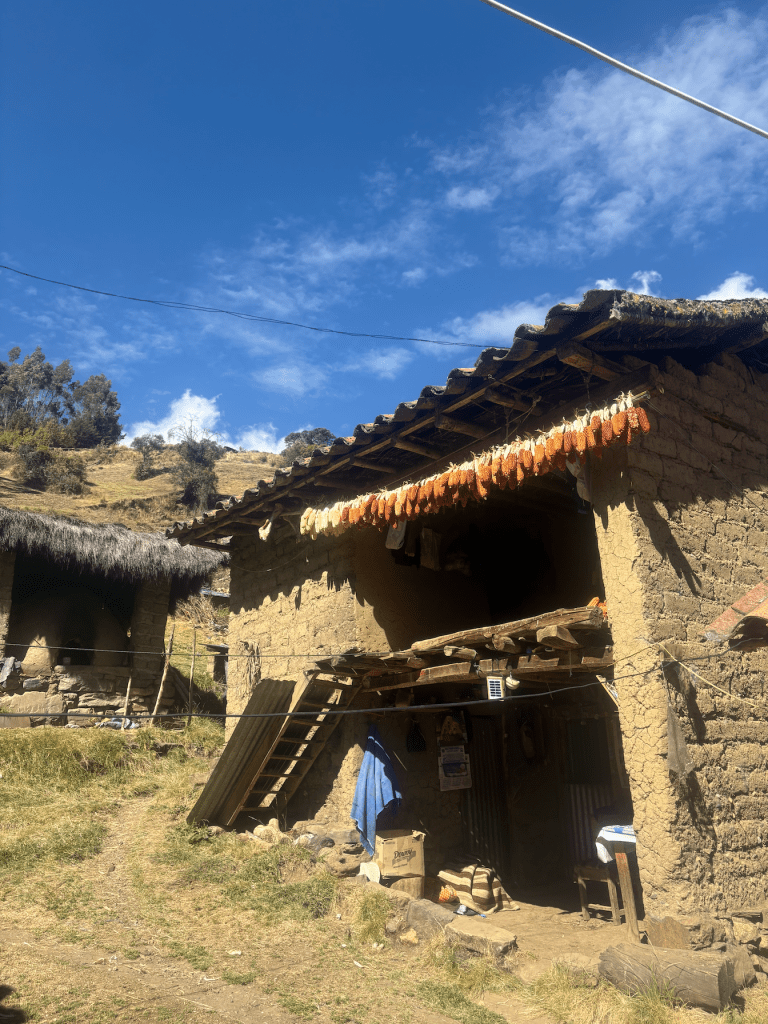
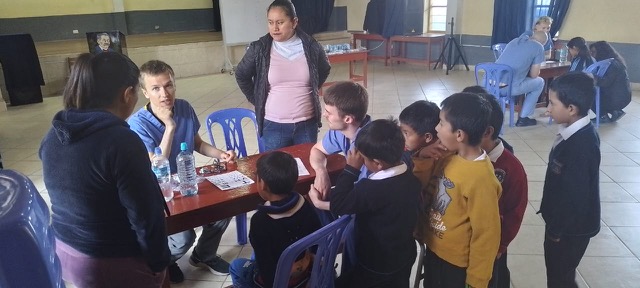
In such a special location, there was plenty to do in my spare time. Late each afternoon I would give English lessons for some of the local children at the end of their school day. They were already much better linguists than myself, fluent in both Quechua and Spanish, but seeing them progress their English across the course of my lessons was also really rewarding.

One weekend we walked two hours to a neighbouring village to watch a football tournament between some of the villages of the region. Luckily, Quishuar won their match that day and everyone celebrated with pitchside food and drinks in the sun.

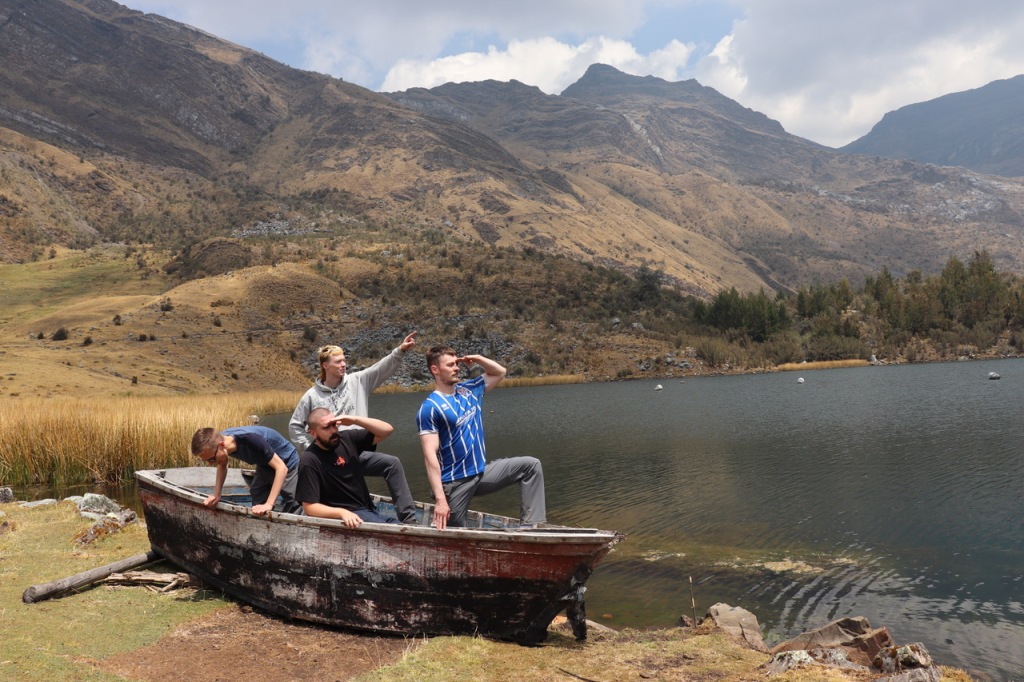
The location also lent itself to a lot of amazing days spent hiking. The altitude made this tougher than hiking back home, but I enjoyed the challenge and it was all worth it for some of the stunning views and trails I got to see. One particular highlight was an early morning hike up one of the corners of the valley to a nesting area for condors, and we were rewarded by being able to see some of these huge birds up close and taking flight. 

I would like to thank the LED charity for facilitating this invaluable experience which will stay with me for a long time. Thanks to Val, Juan, Noemi, Melky, and Lola for their support and warmth across my time in Peru.


Thank you Dan all for all your hard work in Quisuar and the surrounding villages. It sounds like you had a really great time! We wish you all the best with your medical career.
Angus Pinsky & Jed McIntyre – Our Medical Elective in Quisuar, Peru

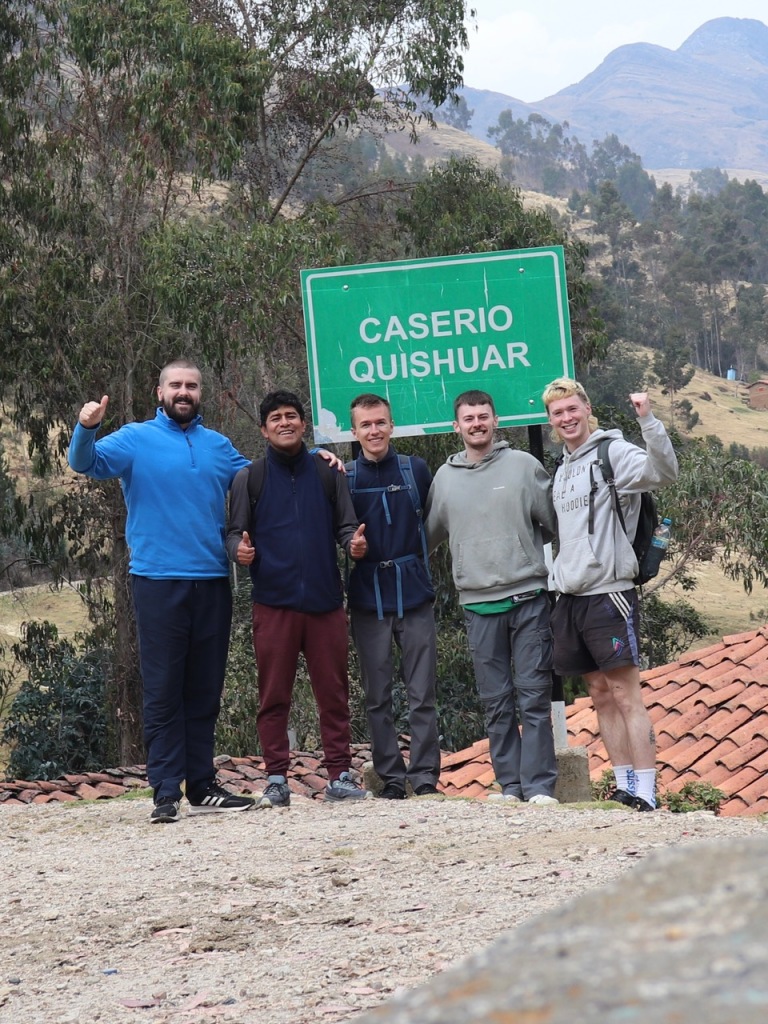
In summer 2023, Dundee medics Angus, Jed, Lee and Jack spent 4 weeks at the health post LED supports in Quisuar, in Peru’s Cordillera Blanca. Here are the write ups from Angus and Jed (including PDF originals), together with some of their photos. Thank you all for all your hard work in Quisuar and surrounding villages. It sounds like you had a great time!


Rural Medicine in the Cordillera Blanca Mountains, Peru – Angus Pinsky

Placement

We spent four weeks volunteering in the north of Peru, in a health post in the Cordillera Blanca mountains, and in the town of Acopampa, in the northern province of Carhuaz.

The health post is run by the small charity Light Education Development, located in the village of Quisuar. It is staffed by a single nurse, and we were also accompanied by a friendly guide/translator, called Juan. Here we ran clinics for the local people, who visited from the surrounding villages. We could take histories, perform physical examinations, and prescribe from the post’s small medication store (to which we contributed some donated medicines). The local people speak Quechua, and so we had to translate throughout each consultation. Each day we would see up to 25 patients, although the number of patients who visited the post would vary greatly, and they would arrive anytime between 7am and 10pm.

The ailments we witnessed most often were common conditions, such as UTIs, URTIs and GORD, as well as chronic conditions such as osteoarthritis. There was a distinct lack of public health knowledge, meaning our primary role was often educating patients on concepts such as curative vs symptomatic treatment, eating healthily, and drinking adequate quantities of water.

Alongside our general consultations, we also provided basic vision assessments and free reading or distance glasses for those who needed them.

In Acopampa we performed basic vision assessments on all the pupils at a local school, as well as some parents and teachers. Here we also provided free glasses, that had been donated to the charity.

Peru

Peru is a high-middle income country, located on the west coast of South America. It has a population of 33.72 million, and the capital is Lima.

Healthcare in Peru is provided by a mix of government and private organisations, with an insurance-based model. A majority of citizens receive some form of government coverage. However, there are many barriers to accessing healthcare, especially for those in poverty and those who live rurally. We witnessed this during our time in Quisuar, where the villagers who visited us would have otherwise had to travel a long distance to reach the nearest government- run health post, and even further for any specialist care. There are also difficulties for Quechua-speaking communities, as consultations are generally conducted in Spanish.

Organisation

In order to organise our elective, we got in touch with Light Education Development through the contact form on their website, which can be found here:

https://lighteducationdevelopment.org

We were then contacted by Val, the charity’s founder, who was our supervisor.

Pros

  • Exposure to health practice radically different to that found in the UK
  • Good immersion into the lifestyle and culture of local people
  • People were always friendly, welcoming, and immensely grateful
  • Program established based on a thorough understanding of local needs and issues
  • Health post based in a strikingly beautiful mountainous region of Peru, well off the tourist track
  • Opportunity to take on a lot of personal responsibility vs a more conventional placement
  • Opportunity to travel in Peru, see Machu Picchu, and lots of other amazing sights
  • Cost of living is very cheap compared to the UK

Cons

  • Language barrier if you don’t have pre-existing Spanish knowledge
  • Only basic amenities at the post, which could be challenging for those not prepared for a pared-back lifestyle akin to camping
  • Could be lonely without a group
  • Have to go through around a week of adjustment to altitude to avoid altitude sickness, as the post is located at around 3000m elevation

Tips

  • Learn some Spanish!
  • Take a four-season sleeping bag, comfy mat, and a water-filter
  • Speak to someone who has been before about practicalities (I have a packing list I can pass on)
  • Follow all the advice of the local guide
  • If you’re interested in trekking, let your guide know

Quisuar Health Post Report – Jed McIntyre

Volunteering in the Quisuar health post was something truly special. Better than just visiting Peru, working rurally in the mountains made us a part of the community for our time spent there and our welcome couldn’t have been warmer. Our days were kept busy and entertaining running clinics as a team, which consisted of ourselves (5th year students), Juan who acted as our translator/guide and the health post nurse. As students, the exposure and opportunities on this trip was invaluable and helped develop confidence in leading consultations as well as general medicine. From initial presentation to examination and management it was all student-led, great to get a taste for responsibility and we never felt too far out of our comfort zone. We saw a wide range of conditions from many specialities including arthritis, viral coughs, angina, UTIs and vision problems. This healthcare was a huge benefit to patients and with the community being so small, being able to see the impact felt great, from clearing up diseases to providing glasses – this was huge for quality of life as being able to see well enough to thread a needle is very important to the families.

We ran clinics from Quisuar offering our services to the locals who really appreciated our time. It always felt useful contributing our medical management as well as just information which meant a lot to patients who had worries or questions. We also took a couple visits to the neighbouring localities of Seccha and Pochgoj where we were put up in accommodation and held clinics for a slightly larger population of people. This was also where we were able to stock up on biscuits! These journeys gave us opportunities to see more patients and work as a more mobile unit of healthcare. Although our stay here had wifi it couldn’t match the beauty of our surroundings in Quisuar, at ≈2900m elevation the mountain landscape was breathtaking and so isolated.

We also loved the opportunity to get involved in the community by teaching English and running activities with the local kids some afternoons as well as joining in sport festivals who were always keen for some extra numbers to play football or volleyball. Along with my memories of our exciting clinical work and the beautiful location, I’ll never forget Jack’s flying volley from the halfway line to raucous applause from the crowd. My hero.

Our time in Quisuar offered a unique chance to visit the beautiful country Peru, to learn and develop our knowledge and skills in a new environment. And to contribute to and belong in a community on the other side of the world. To experience their hospitality, stories and culture was a treat!


Photos


If you’re a medical student interested in spending your medical elective at the Quisuar Healthpost, check out our How you can help page for more details.

“Helping with Glasses”: Eye Clinics in Khumbu

In recent years, LED has started to carry out basic eye checks in the remote communities Val visits when distributing LED solar lights and medical/school supplies, and while on trek. This has been down to the invaluable guidance and support from “Eye Doctor” Pat Booth who has provided instructions and charts and glasses carefully labelled and packaged.

In November 2022, Pat headed out to Khumbu with Val and a small trekking group. Here’s her write up of the trip.

It was with some trepidation that I agreed to go back to Nepal in November 2022, after missing three years with COVID restrictions. But it turned out to be the best trip ever!

We started off at Chhahari Eco Resort, just outside Kathmandu, as a group of nine trekkers. I got a box of glasses out and showed them all how it works – as most Nepalis and Peruvians have really good distance vision you can give them reading glasses based on their age. The next day four of us went up to Nagi Gompa to check some of the nuns and screen the schoolgirls staying there.

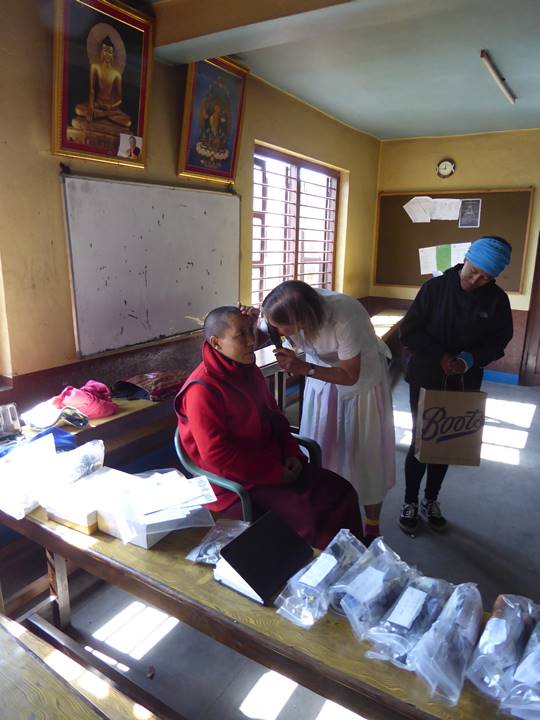
Pat preparing to start eye checks at Nagi Gompa

Then up to ‘Remote Khumbu’ via Lukla. One of our first visits was to the hospital at Kunde. They had some donated reading glasses there already but unfortunately mainly too strong; +1.00 and +1.50 suits most people, if you would ever like to bring some along with you. They had an ophthalmoscope (for looking in people’s eyes) that we borrowed as I had had to leave mine behind because of the weight restrictions on the flight to Lukla. The best thing was the news that they had an Eye Camp coming in the Spring to do cataract surgery, so we were able to advise people to come back then.

Dr Kami, Kunde Hospital

We then went on to Thame where we were treated to a display of Nepali dancing by the pupils at the school. We were then able to screen all the children who were boarding at the school, using an alphabet poster as a chart. Even the youngest children could do this easily – they all had fantastic vision. We had so many helpers we were able to work in two teams.

Dancing, Thame School

In the afternoon we were booked to do eye checks at the Thame Health Post. Again, we were able to work in two teams as we had a retired GP with us who was also able to use the ophthalmoscope. That turned into a long session, and it was getting too dark to see by the end. My scribe was side-tracked by the guides’ and porters’ tales of how many times they had summited Everest and Ama Dablam etc. They would all have been world famous if they had been westerners.

When we were in the more remote areas of the trip, we pretty much did eye checks in every place we stayed. As ever, the people were incredibly grateful for our services. We were all laden down with prayer scarves by the end.

I was re-acquainted with Tsering from my Manaslu trip, when he was a very helpful primary teacher in Sama. Here in Khumbu as one of Val’s team, Tsering did most of my optical translation for me, as well as being my personal porter. From his point of view, he became recipient of my Most Improved Optical Assistant award and graduated to Fully Trained Sight Tester!

The sun is very strong in the mountains and can cause eye damage; Tsering embraced the need for change and we took every opportunity to get people to wear a hat or cap with a brim, and sunglasses if possible, especially for the guides and porters who spent time on snow and ice.

We were in an area near Everest which had a lot of infrastructure supported by The Hillary Foundation, which means there is lots of Wi-Fi – and so lots of mobile phones. There unfortunately seemed to be an associated increase in distance vision problems. So we also encouraged youngsters to follow the 20/20/20 Rule: for every 20 minutes on a screen or device, spend 20 seconds looking at something 20 metres away.

In total we saw over 300 patients, mainly for reading glasses but also some distance, conducted vision screening in youngsters and a basic eye health check. We also distributed some safety glasses (it was alarming to see stone masons at work unprotected) and gave advice to two families whose very young children had squints (not previously diagnosed).

Three of the trekkers also spent a couple of enjoyable hours repairing and servicing some non-functioning solar lights that LED distributes, and we all were amazed by the solar reflecting panels used to boil our tea kettles!

It was such a rewarding and satisfying trip, I had forgotten how much it meant to me to be able to give something back. My heartfelt thanks go to all my helpers, especially the doctor and another trekker who helped me with my Diplomacy Course, as I can be a bit blunt at times!

“Eye Doctor Pat” conducting an eye check

And, of course thanks go to Val and all her team without whose help nothing would be possible…and for all the extra work ‘Helping With Glasses’ has created. In the end, we had run out of glasses, but were able to keep records and hopefully we will be able to send out what is needed next time.

And thanks to my husband who puts up with all the brainache this creates!

George Thomas – Medical Elective in Quishuar, Peru – LED Report

In summer 2022, Leeds medics George Thomas and James Peaty undertook their medical elective at the  health post LED supports in Quisuar, in Peru’s Cordillera Blanca. Here’s the report George prepared for us:

We really enjoyed our time at the clinic and want to thank the LED charity for giving us the opportunity to go and the local people around the clinic for being very welcoming. We went to the clinic in Quishaur near Huaraz for around a month. This clinic supports the health of the people in the area surrounding Quishaur.

At the health post: George and James with Claus and Lary

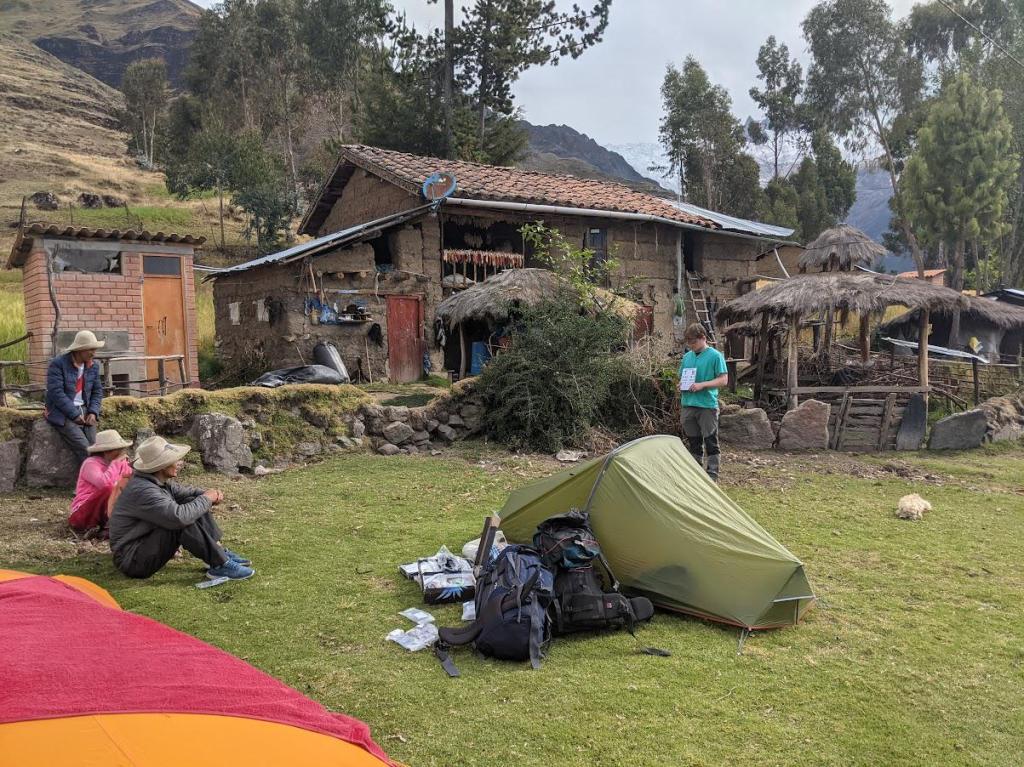
The clinical part of the elective was very varied. Primarily it consisted of us working at the clinic. We would see people with the permanent nurse, Lary, for consultations in the clinic and go on home visits. Often it could be difficult for local people to get access to glasses, so on one occasion we also went to a neighbouring village to do an eye clinic. Furthermore we did lessons in English with the local school where we tried to incorporate teaching about health.

Eye Clinic

Often there was different health problems to what would be normal in the United Kingdom where both of us are currently at medical school. People would more likely to have late presentations of diseases which could make them more severe. Different medical conditions were also more prevalent for instance parasites were more common. At the clinic we had less access to the resources that would be expected in the UK for instance investigations such as bloods or scans therefore it was very important to work as a team doing the medical fundamentals of history taking and exam well. It was very useful for our training to be able to see conditions which would be less common in the UK and focus in on the core fundamentals of medicine.

The Clinic, Quishuar

The language barrier could also pose a challenge as both our Spanish is not the best. We have to thank both Claus, a local mountain guide, and Lary, the nurse, who we couldn’t have done without who helped with translation from Quechua to Spanish. Though by the end our Spanish had improved a lot and we also have to thank them for that!

It can be difficult for local people to get access to healthcare in the area around Quishuar therefore throughout my time there we realised the importance of clinics such as the one we were at to give medical support. It was a very humbling experience going to such a remote clinic and getting to help treat the local people. I was continually surprised; especially by some of the older people there, by how tough they were and their ability to carry on living quite physical lives with sometimes severe medical problems. Even so the local people were always very generous to me and James. One memorable experience was after a consultation one of the patients very kindly gave us some Guinea Pig which we had never tried before.

Home visit

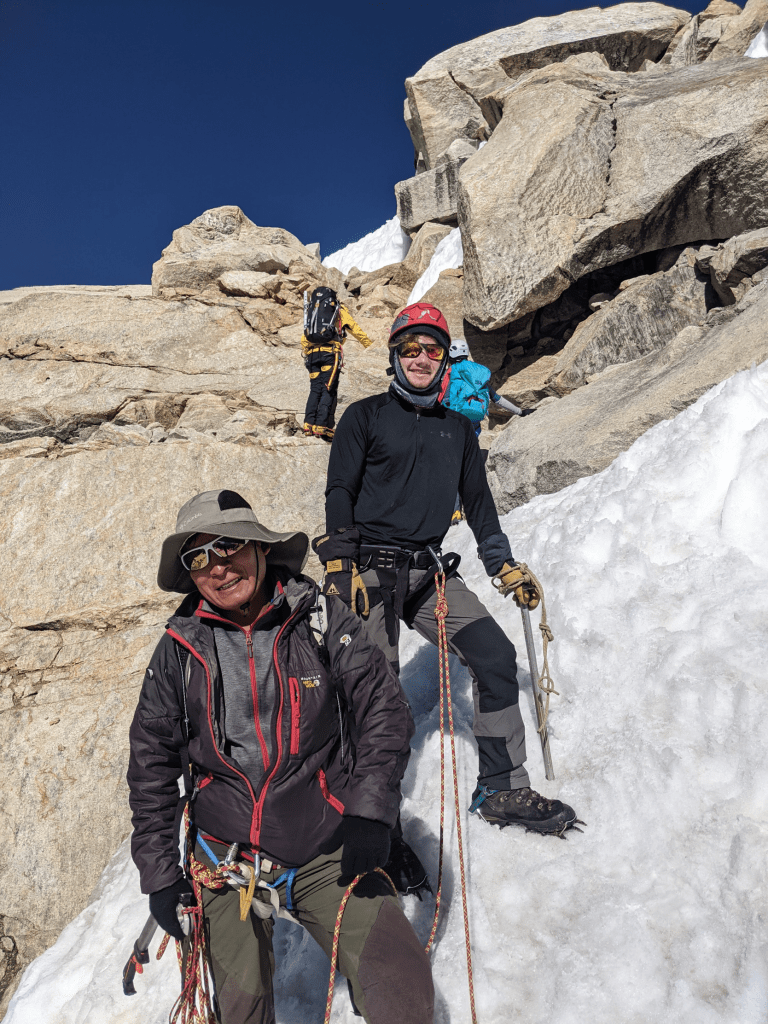
After the clinic we also had the opportunity to do some mountaineering in the region with Claus, a local mountain guide who also helped translate at the clinic. This was my first chance to do mountaineering and I really enjoyed it. It was challenging at times, for me especially so when I was trying to sleep at altitude. I was a bit out of breath and only managed to fall to sleep what felt like just before I had to wake up. We ended up going up Mount Urus and Mount Ishinca. It was a really great experience and has made me keen to do more in the future.

We both want to again thank Val and everyone at LED for what was a great experience at the clinic and we really appreciate the help from everyone who made it possible for us to go!